
Major Hazard
& High-Risk
Facilities
Management
Conference

27 - 28 May 2026
RYDGES, auckland
Advancing Best Practice in Major Hazard Management
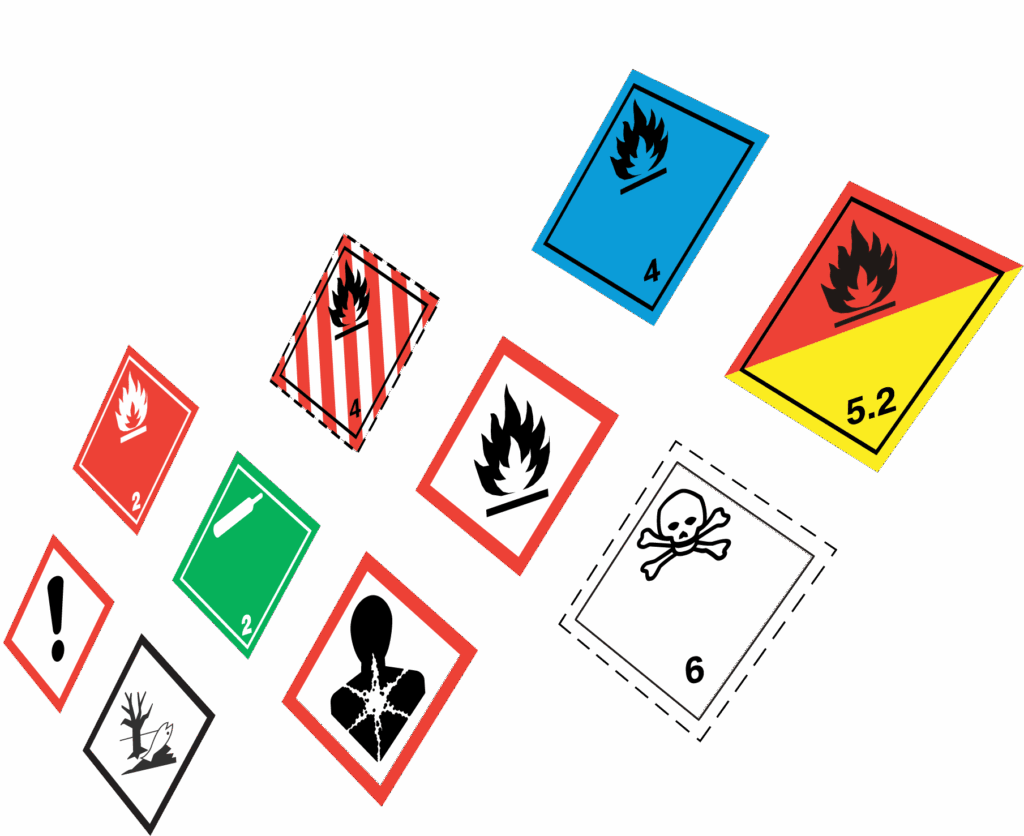
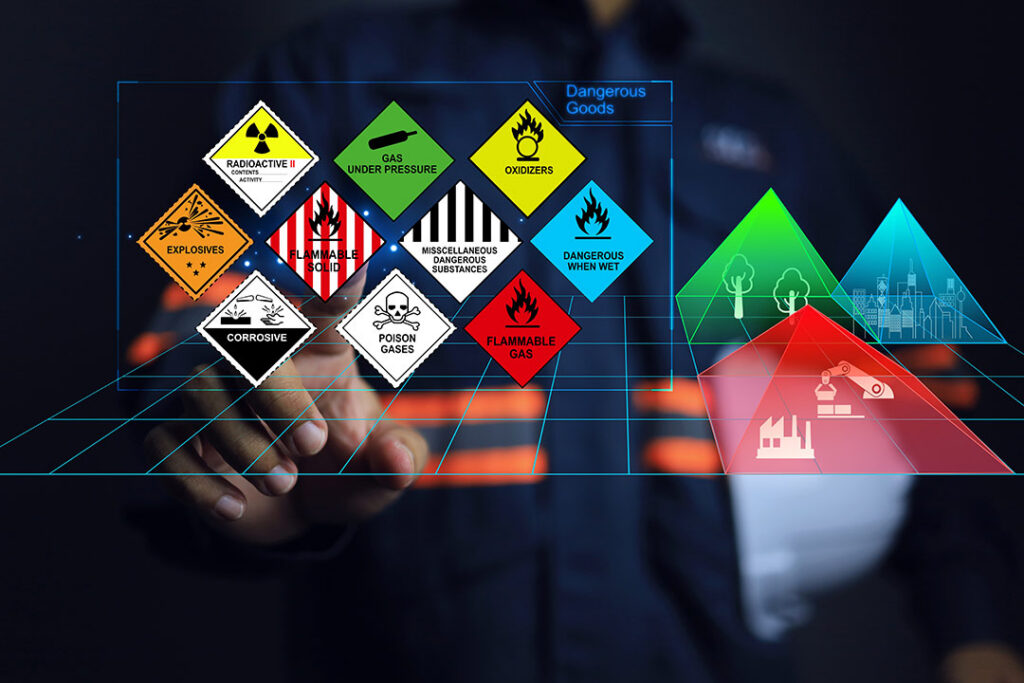
The Major Hazards and High-Risk Facilities Management Conference 2026 will bring together experts, regulators, industry leaders, and practitioners to address the challenges of managing facilities where catastrophic risks must be controlled. With New Zealand’s growing emphasis on safety, resilience, and sustainability and on protecting people, communities and the natural environment, this conference will serve as a platform for knowledge exchange, operational insights, and practical solutions.
Who Should Attend
- Facilities managers, asset managers and safety officers
- Professionals in oil & gas, mining, energy, and manufacturing
- Government regulators and policymakers
- Emergency response and crisis management teams
- Risk consultants and advisors
- Technology providers offering safety solutions
- Insurance and risk specialists
Add Your Heading Text Here

Sub Heading Here
Ut elit tellus, luctus nec ullamcorper mattis, pulvinar dapibus leo.Lorem ipsum dolor sit amet

Sub Heading Here
Ut elit tellus, luctus nec ullamcorper mattis, pulvinar dapibus leo.Lorem ipsum dolor sit amet

Sub Heading Here
Ut elit tellus, luctus nec ullamcorper mattis, pulvinar dapibus leo.Lorem ipsum dolor sit amet

Sub Heading Here
Ut elit tellus, luctus nec ullamcorper mattis, pulvinar dapibus leo.Lorem ipsum dolor sit amet
Add Your Heading Text Here
We are currently working on the programme and agenda.
If you would like to have input into our research programme please email xxxx@brightstar.co.nz
KEY SPEAKERS FOR 2026
Our 2026 key lineup features subject experts and veteran facility operators across a range of sectors.
Check out the full list.

Lyndon Collie
Senior Waste Operations/Collections Safety Specialist
Auckland Council

Tomas Toomata
GM Health, Safety & Wellbeing
Mercury

Dr Andrew Pearson
Technical Director (Chemical Risk)
Tonkin + Taylor
Agenda
8:45 | Registration and coffee |
9:00 | Welcoming remarks from the Chair |
9:10 | Major Hazard Facilities in NZ: Regulatory expectations, enforcement trends, and lessons learned
Karen Davidson, Chief Inspector High Hazards, Energy & Public Safety, WorkSafe |
9:50 | Safety by design: Eliminating major hazard risk at the source
Doug Ray, Safety in Design Chair, Construction Clients Group |
10:30 | Morning break |
11:00 | Integrating human factors into major hazard risk management
Tomas Toomata, GM Health, Safety & Wellbeing, Mercury |
11:40 | Empowering the frontline to strengthen high-consequence risk control
Vanessa Matakatea, NZ Senior Safety Manager, Linfox |
12:20 | Investigating mistakes before and after they happen
Andrew McGregor, Director, Prosolve |
13:00 | Lunch break & networking |
13:00 | Critical Risk Management: Learnings from 10 years of Major Hazard Facility Regulations in New Zealand This session explores how 10 years of Major Hazard Facility Regulations can guide New Zealand into a renewed focus on Critical Risks within the upcoming Health and Safety Reform Bill
Paul Feltoe, Managing Director and Principal Consultant, Safety Solutions |
13:50 | Panel Discussion: Improving certification and approval pathways in high-risk facilities
Andrew McGregor, Director, Prosolve More panellists TBC |
15:20 | Afternoon break |
15:40 | When machines speak first: Using media gateways to detect, escalate and contain major-hazard events
Martin Petts, Head of Operations, F24 Oceania |
16:20 | From Chernobyl to Fukushima: Global lessons for NZ major hazard facilities
Geraint Bermingham, Director, Navigatus Consulting |
17:00 | Summary remarks from the Chair & networking drinks |
8:50 | Registration and coffee |
9:00 | Welcoming back remarks from the Chair |
9:10 | Energy-Based Safety Model - Prevention of Serious Injuries & Fatalities (SIF)
Ross Feutz, Critical Risk Management Lead, Fonterra |
9:50 | Process Safety vs Occupational Safety: Closing the gaps that lead to major incidents
Carolyn Haybittle, National Program Lead Occupational Health, Health New Zealand |
10:20 | Morning break |
10:50 | Contamination, spills, and leaks: Protecting people, assets, and the environment
Dr Andrew Pearson,Technical Director (Chemical Risk), Tonkin + Taylor |
11:30 | New Zealand fire risk reality: Causes, consequences, and what must change
Lyndon Collie, Senior Waste Operations / Collections Safety Specialist, Auckland Council |
12:00 | Managing risk in complex waste operations: A Waste Management NZ case study
Guy Smith, Chief Health, Safety and Risk Officer, Waste Management NZ Daniel Coleman, Executive General Manager, Waste Management NZ |
12:30 | Lunch |
13:30 | Transforming claims data into actionable insights: AI-Driven risk reduction
Julia Ellingworth, Health, Safety and Wellbeing Client Director, WTW Gary Strachan, Health, Safety and Wellbeing Client Director, WTW |
14:00 | Insurability of high-risk facilities: What can (and can’t) be transferred
Adrian Sweeney, New Zealand General Manager, Zurich |
14:30 | The future of major hazard management: Technology, regulation, and human oversight
Alberto Ardid, Lecturer, Civil & Environmental Engineering, University of Canterbury |
15:00 | Summary remarks from the Chair & end of conference |
15:10 | Seperately bookable workshop- Go to the Workshop Tab for details Process Safety Management in Practice: Measuring and Mitigating Catastrophic Risk Hardie McLaren, Principal Instrumentation & Control Engineer, Equinox Automation |
Speakers
Speakers to be announced

Doug Ray
Read bio
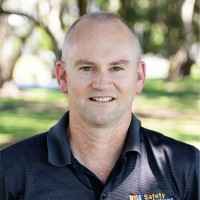
Paul Feltoe
Read bio
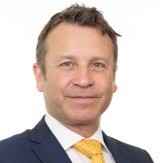
Martin Petts
Read bio
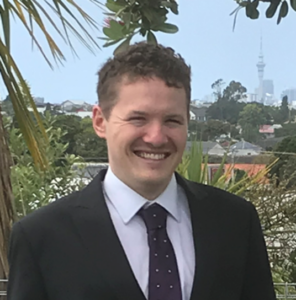
Ross Feutz
Read bio
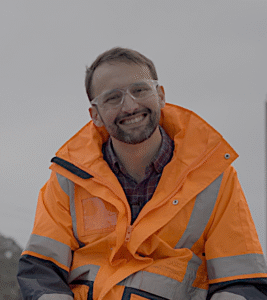
Dr Andrew Pearson
Read bio
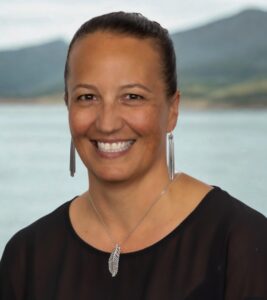
Vanessa Matakatea
Read bio
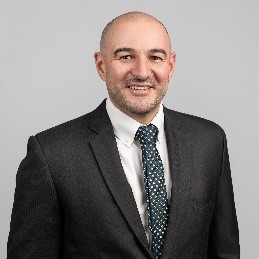
Gary Strachan
Read bio
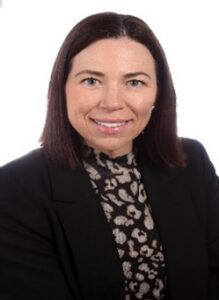
Julia Ellingworth
Read bio
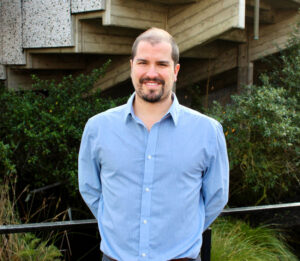
Alberto Ardid
Read bio
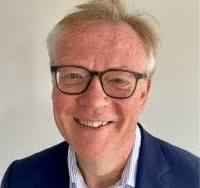
Adrian Sweeney
Read bio
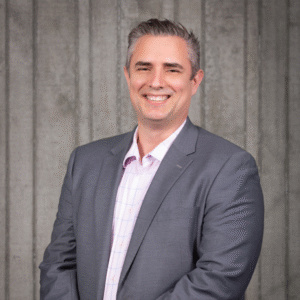
Daniel Coleman
Read bio
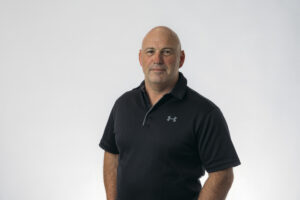
Lyndon Collie
Read bio
Sponsors
Sponsors to be announced
Gold Sponsor

Umbrella Wellbeing
Silver sponsors
Umbrella Wellbeing
Umbrella Wellbeing
Umbrella Wellbeing
Umbrella Wellbeing
Exhibitors
Umbrella Wellbeing
Umbrella Wellbeing
Umbrella Wellbeing
Umbrella Wellbeing
Umbrella Wellbeing
Umbrella Wellbeing
Umbrella Wellbeing
Umbrella Wellbeing
Don't miss out on the connections and credibility boost!
Live B2B events are your chance to shine. Showcase your thought leadership, solidify your market position, and forge valuable connections with potential customers – all at once.
This exclusive event puts you in front of a highly skilled audience hungry for insights. Get ready for meaningful engagement that drives results.
Plus, we have some unique opportunities to put your company, products, and services in the spotlight.
Ready to take your brand to the next level? Contact us today to learn more or secure your spot at this leading event.
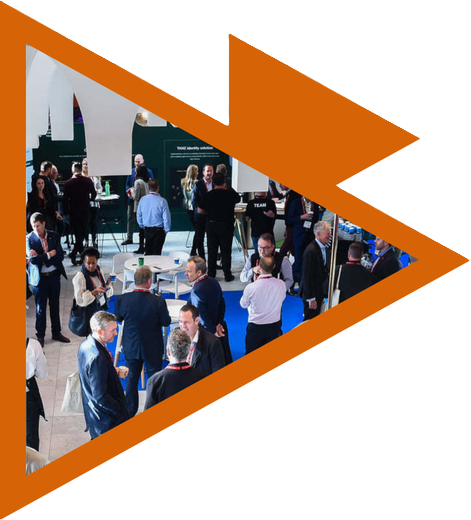
SEPARATELY BOOKABLE WORKSHOP - ATTEND @ $199+GST
This workshop focuses on applying Process Safety Management (PSM) in practice to measure, prioritise, and mitigate catastrophic risk. It moves beyond frameworks and terminology to show how PSM elements translate into quantifiable risk reduction and demonstrable control of major hazards.
Framing catastrophic risk within PSM
- Defining catastrophic risk vs occupational safety risk
- Understanding where traditional metrics fail to capture major hazard exposure
- Positioning PSM as a system for controlling low-probability, high-consequence events
Measuring major hazard risk
- Using HAZID, HAZOP, Bowtie, and LOPA within a PSM structure
- Identifying escalation pathways and single-point failures
- Understanding frequency, consequence, and uncertainty in risk estimates
Interpreting risk results for decision-making, not just compliance
Safety-critical controls and barriers
- Defining safety-critical elements and critical controls
- Setting measurable performance standards
- Assessing independence, redundancy, and common-cause failure
Mitigating risk in practice
- Applying inherently safer design to eliminate risk at source
- Strengthening operational and engineered controls
- Managing elevated risk during change, shutdowns, and temporary operations
- Verification and Performance Monitoring
- Field verification and proof testing of controls
- Using leading indicators to detect barrier degradation
- Aligning assurance with regulatory and insurer expectations
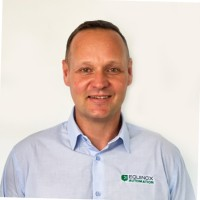
Hardie McLaren
Principal Instrumentation & Control Engineer
Equinox Automation
Want to join this conference?
Register your interest, we will be in touch when tickets are available.
Tickets
Double Pass
Come with a colleague-
Must be from the same organisation and book at the same time. For valid tickets, payment by 27 May, 2026.
Group tickets
Multi-Buy 3+ Tickets
Multi-buy 3+ Tickets - Pre Sale
-
Must be from same organisation and book at same time. Available until XX month 2025 OR until 40 tickets sold, whichever occurs first. For valid ticket, payment by XX month 2025.
Multi-buy 3 + Tickets - Full price
-
Must be from same organisation and book at same time. For valid ticket, payment by XX month 2025.
Registration Conditions
Ticket Terms
All prices are in New Zealand dollars ($NZD)
A surcharge of 2.5% + GST applies to credit card payments on top of the total amount.
Pre-Sale Tickets are valid only for the specific event for which they were purchased and cannot be transferred to other events. To remain valid, Super Saver and Early Bird tickets must be paid by date quoted.
Group ticket options are valid for registrations from the same organisation, booked at the same time.
By selecting any special pricing offer for classes of organisation, sector, or individuals or using any promotion code, you are asserting to the organiser your right to claim any such pricing offer, and acknowledge the organiser’s right to audit such claim and, if in the opinion of the organiser using its sole discretion the conditions for special pricing are not met, reject any registration.
For full terms & conditions, please visit https://www.brightstar.co.nz/terms-and-conditions
Ticket Terms
All prices are in New Zealand dollars ($NZD)
A surcharge of 2.5% + GST applies to credit card payments on top of the total amount.
To remain valid, Super Saver and Early Bird tickets must be paid by date quoted.
Group ticket options are valid for registrations from the same organisation, booked at the same time.
By selecting any special pricing offer for classes of organisation, sector, or individuals or using any promotion code, you are asserting to the organiser your right to claim any such pricing offer, and acknowledge the organiser’s right to audit such claim and, if in the opinion of the organiser using its sole discretion the conditions for special pricing are not met, reject any registration.
For full terms & conditions, please visit https://www.brightstar.co.nz/terms-and-conditions
Advancing Best Practice in Major Hazard Management
The Major Hazards and High-Risk Facilities Management Conference 2026 will bring together experts, regulators, industry leaders, and practitioners to address the challenges of managing facilities where catastrophic risks must be controlled. With New Zealand’s growing emphasis on safety, resilience, and sustainability and on protecting people, communities and the natural environment, this conference will serve as a platform for knowledge exchange, operational insights, and practical solutions.
Who Should Attend
- Facilities managers, asset managers and safety officers
- Professionals in oil & gas, mining, energy, and manufacturing
- Government regulators and policymakers
- Emergency response and crisis management teams
- Risk consultants and advisors
- Technology providers offering safety solutions
- Insurance and risk specialists
Add Your Heading Text Here
Sub Heading Here
Ut elit tellus, luctus nec ullamcorper mattis, pulvinar dapibus leo.Lorem ipsum dolor sit amet
Sub Heading Here
Ut elit tellus, luctus nec ullamcorper mattis, pulvinar dapibus leo.Lorem ipsum dolor sit amet
Sub Heading Here
Ut elit tellus, luctus nec ullamcorper mattis, pulvinar dapibus leo.Lorem ipsum dolor sit amet
Sub Heading Here
Ut elit tellus, luctus nec ullamcorper mattis, pulvinar dapibus leo.Lorem ipsum dolor sit amet
Add Your Heading Text Here
We are currently working on the programme and agenda.
If you would like to have input into our research programme please email xxxx@brightstar.co.nz
KEY SPEAKERS FOR 2026
Our 2026 key lineup features subject experts and veteran facility operators across a range of sectors.
Check out the full list.
Lyndon Collie
Senior Waste Operations/Collections Safety Specialist
Auckland Council
Tomas Toomata
GM Health, Safety & Wellbeing
Mercury
Dr Andrew Pearson
Technical Director (Chemical Risk)
Tonkin + Taylor
Venue
The location and how you can get there
Address
Rydges, Auckland
Federal Street, Auckland, 1051
Agenda
8:45 | Registration and coffee |
9:00 | Welcoming remarks from the Chair |
9:10 | Major Hazard Facilities in NZ: Regulatory expectations, enforcement trends, and lessons learned
Karen Davidson, Chief Inspector High Hazards, Energy & Public Safety, WorkSafe |
9:50 | Safety by design: Eliminating major hazard risk at the source
Doug Ray, Safety in Design Chair, Construction Clients Group |
10:30 | Morning break |
11:00 | Integrating human factors into major hazard risk management
Tomas Toomata, GM Health, Safety & Wellbeing, Mercury |
11:40 | Empowering the frontline to strengthen high-consequence risk control
Vanessa Matakatea, NZ Senior Safety Manager, Linfox |
12:20 | Investigating mistakes before and after they happen
Andrew McGregor, Director, Prosolve |
13:00 | Lunch break & networking |
13:00 | Critical Risk Management: Learnings from 10 years of Major Hazard Facility Regulations in New Zealand This session explores how 10 years of Major Hazard Facility Regulations can guide New Zealand into a renewed focus on Critical Risks within the upcoming Health and Safety Reform Bill
Paul Feltoe, Managing Director and Principal Consultant, Safety Solutions |
13:50 | Panel Discussion: Improving certification and approval pathways in high-risk facilities
Andrew McGregor, Director, Prosolve More panellists TBC |
15:20 | Afternoon break |
15:40 | When machines speak first: Using media gateways to detect, escalate and contain major-hazard events
Martin Petts, Head of Operations, F24 Oceania |
16:20 | From Chernobyl to Fukushima: Global lessons for NZ major hazard facilities
Geraint Bermingham, Director, Navigatus Consulting |
17:00 | Summary remarks from the Chair & networking drinks |
8:50 | Registration and coffee |
9:00 | Welcoming back remarks from the Chair |
9:10 | Energy-Based Safety Model - Prevention of Serious Injuries & Fatalities (SIF)
Ross Feutz, Critical Risk Management Lead, Fonterra |
9:50 | Process Safety vs Occupational Safety: Closing the gaps that lead to major incidents
Carolyn Haybittle, National Program Lead Occupational Health, Health New Zealand |
10:20 | Morning break |
10:50 | Contamination, spills, and leaks: Protecting people, assets, and the environment
Dr Andrew Pearson,Technical Director (Chemical Risk), Tonkin + Taylor |
11:30 | New Zealand fire risk reality: Causes, consequences, and what must change
Lyndon Collie, Senior Waste Operations / Collections Safety Specialist, Auckland Council |
12:00 | Managing risk in complex waste operations: A Waste Management NZ case study
Guy Smith, Chief Health, Safety and Risk Officer, Waste Management NZ Daniel Coleman, Executive General Manager, Waste Management NZ |
12:30 | Lunch |
13:30 | Transforming claims data into actionable insights: AI-Driven risk reduction
Julia Ellingworth, Health, Safety and Wellbeing Client Director, WTW Gary Strachan, Health, Safety and Wellbeing Client Director, WTW |
14:00 | Insurability of high-risk facilities: What can (and can’t) be transferred
Adrian Sweeney, New Zealand General Manager, Zurich |
14:30 | The future of major hazard management: Technology, regulation, and human oversight
Alberto Ardid, Lecturer, Civil & Environmental Engineering, University of Canterbury |
15:00 | Summary remarks from the Chair & end of conference |
15:10 | Seperately bookable workshop- Go to the Workshop Tab for details Process Safety Management in Practice: Measuring and Mitigating Catastrophic Risk Hardie McLaren, Principal Instrumentation & Control Engineer, Equinox Automation |
Speakers
Speakers to be announced
Doug Ray
Read bio
Paul Feltoe
Read bio
Martin Petts
Read bio
Ross Feutz
Read bio
Dr Andrew Pearson
Read bio
Vanessa Matakatea
Read bio
Gary Strachan
Read bio
Julia Ellingworth
Read bio
Alberto Ardid
Read bio
Adrian Sweeney
Read bio
Daniel Coleman
Read bio
Lyndon Collie
Read bio
Sponsors
Sponsors to be announced
Gold Sponsor
Umbrella Wellbeing
Silver sponsors
Umbrella Wellbeing
Umbrella Wellbeing
Umbrella Wellbeing
Umbrella Wellbeing
Exhibitors
Umbrella Wellbeing
Umbrella Wellbeing
Umbrella Wellbeing
Umbrella Wellbeing
Umbrella Wellbeing
Umbrella Wellbeing
Umbrella Wellbeing
Umbrella Wellbeing
Don't miss out on the connections and credibility boost!
Live B2B events are your chance to shine. Showcase your thought leadership, solidify your market position, and forge valuable connections with potential customers – all at once.
This exclusive event puts you in front of a highly skilled audience hungry for insights. Get ready for meaningful engagement that drives results.
Plus, we have some unique opportunities to put your company, products, and services in the spotlight.
Ready to take your brand to the next level? Contact us today to learn more or secure your spot at this leading event.
Workshops
Workshops to be announced
POST CONFERENCE
This workshop you will cover:
- Ut elit tellus, luctus nec ullamcorper mattis, pulvinar dapibus leo.Lorem ipsum dolor sit amet, consectetur adipiscing elit.
- Ut elit tellus, luctus nec ullamcorper mattis, pulvinar dapibus leo.Lorem ipsum dolor sit amet, consectetur adipiscing elit.
- Ut elit tellus, luctus nec ullamcorper mattis, pulvinar dapibus leo.Lorem ipsum dolor sit amet, consectetur adipiscing elit.
- Ut elit tellus, luctus nec ullamcorper mattis, pulvinar dapibus leo.Lorem ipsum dolor sit amet, consectetur adipiscing elit.
- Ut elit tellus, luctus nec ullamcorper mattis, pulvinar dapibus leo.Lorem ipsum dolor sit amet, consectetur adipiscing elit.
- Ut elit tellus, luctus nec ullamcorper mattis, pulvinar dapibus leo.Lorem ipsum dolor sit amet, consectetur adipiscing elit.
- Ut elit tellus, luctus nec ullamcorper mattis, pulvinar dapibus leo.Lorem ipsum dolor sit amet, consectetur adipiscing elit.
Speaker Photo
Job Title
Company Name
Want to join this conference?
Register your interest, we will be in touch when tickets are available.
Tickets
Double Pass
Come with a colleague-
Must be from the same organisation and book at the same time. For valid tickets, payment by 27 May, 2026.
Group tickets
Multi-Buy 3+ Tickets
Multi-buy 3+ Tickets - Pre Sale
-
Must be from same organisation and book at same time. Available until XX month 2025 OR until 40 tickets sold, whichever occurs first. For valid ticket, payment by XX month 2025.
Multi-buy 3 + Tickets - Full price
-
Must be from same organisation and book at same time. For valid ticket, payment by XX month 2025.
Registration Conditions
Ticket Terms
All prices are in New Zealand dollars ($NZD)
A surcharge of 2.5% + GST applies to credit card payments on top of the total amount.
To remain valid, Super Saver and Early Bird tickets must be paid by date quoted.
Group ticket options are valid for registrations from the same organisation, booked at the same time.
By selecting any special pricing offer for classes of organisation, sector, or individuals or using any promotion code, you are asserting to the organiser your right to claim any such pricing offer, and acknowledge the organiser’s right to audit such claim and, if in the opinion of the organiser using its sole discretion the conditions for special pricing are not met, reject any registration.
For full terms & conditions, please visit https://www.brightstar.co.nz/terms-and-conditions
Ticket Terms
All prices are in New Zealand dollars ($NZD)
A surcharge of 2.5% + GST applies to credit card payments on top of the total amount.
Pre-Sale Tickets are valid only for the specific event for which they were purchased and cannot be transferred to other events. To remain valid, Super Saver and Early Bird tickets must be paid by date quoted.
Group ticket options are valid for registrations from the same organisation, booked at the same time.
By selecting any special pricing offer for classes of organisation, sector, or individuals or using any promotion code, you are asserting to the organiser your right to claim any such pricing offer, and acknowledge the organiser’s right to audit such claim and, if in the opinion of the organiser using its sole discretion the conditions for special pricing are not met, reject any registration.
For full terms & conditions, please visit https://www.brightstar.co.nz/terms-and-conditions
Make an enquiry
Got questions? Write to us.