

Why you should be there
The 17th Annual Freshwater Conference in March offers crucial updates on policy, legislation, science, and governance impacting New Zealand’s freshwater management.
This high-level event is timed perfectly to deliver key analysis on upcoming changes, including the proposed revisions to the National Policy Statement for Freshwater Management and the Government’s two flagship resource management reform laws, which are due shortly.
It provides a timely opportunity to explore how these proposed changes will impact freshwater planning and management delivery. Furthermore, with Local Water Done Well now accelerating, the conference will address the challenges for council-controlled water services organisations as they navigate this transition and establish financially sustainable models.

Key Themes
- Reviewing proposed changes to Freshwater Policy Statements and Standards.
- Analysing the new Resource Management legislation‘s impact on planning.
- Assessing the latest science on our national freshwater status.
- Exploring nitrate contamination levels and tackling mitigation efforts.
- Examining the operational rollout of Local Water Done Well reforms.
KEY SPEAKERS FROM 2026
Our 2026 key lineup brought together experts across law, policy, science, and more.

Dr Tim Davie
Director Science & Acting Director of Operations
Environment Canterbury Regional Council

Conny Tschritter
Groundwater Scientist
Earth Sciences NZ

Simon Pilkinton
Partner – Environment and Planning
Russell McVeagh
Venue
The location and how you can get there
Address
Crowne Plaza Auckland
128 Albert Street
Auckland Central
Auckland 1010
2027 Agenda to be announced
Check out the 2026 Agenda:
8:30 | Registration and Coffee |
8:50 | Mihi whakatau |
9:00 | Welcoming remarks from Conference Chair Natalie Summerfield, Senior Associate, Buddle Findlay |
9:05 | Analysing the reform of resource management, environmental regulation and Local Government in New Zealand
Greg Severinsen, Reform Director, Environmental Defence Society (EDS) |
9.45 | Panel discussion: Rethinking the delivery of environmental monitoring resource management and planning
Dr Deon Swiggs, Chair, Environment Canterbury Regional Council Megan Couture, Deputy Chair, New Zealand Planning Institute & Senior Associate – Planning, BECA Patrick Lynch Manager – Regional Compliance and Resource Use, Waikato Regional Council| Te Kaunihera ā Rohe o Waikato Phil Morrison, Deputy Chair, Environment Southland |
10:30 | Morning refreshments |
11.00 | Exploring the latest legal updates on the Government’s environmental policy reform agenda and their impacts for freshwater management
Kirsty Dibley, Senior Associate - Environment and Planning Russell McVeagh |
11:40 | Assessing the levels of nitrate contamination in New Zealand's domestic drinking water
Conny Tschritter, Groundwater Scientist, Earth Sciences NZ |
12:20 | Tackling diffuse pollution at a wide scale – learnings from Canterbury
Tim Davie, Director Science, Environment Canterbury Regional Council |
1:00 | Lunch |
2:00 | Balancing environmental outcomes with productivity in agriculture to improve freshwater ecosystem health
Dr. Craig Depree, Principal Freshwater Scientist, Dairy NZ |
2:30 | Catchment groups - showcasing positive environmental work being done in our rural communities to improve freshwater health
Stuart MacIntyre, General Manager, Catchment Communities Aoteoroa |
3.00 | Case study: Catchment groups in action - Taiea te Taiao, Ecological Corridor
Bexie Towle, Project Coordinator - Taiea te Taiao, NZ Landcare Trust Te Ao o te Rangi Apaapa, Mātauranga Māori Facilitator - Taiea te Taiao, NZ Landcare Trust |
3:30 | Afternoon break |
3:50 | Assessing the practical implications of legal personhood of the Whanganui River
Dr Durgeshree Raman, Lecturer - Te Piringa - Faculty of Law, University of Waikato |
4:20 | Exploring the challenges ahead for council-controlled water services organisations (CCOs) in the operationalisation of Local Water Done Well delivery
Frédérique Bertrand, Director, Water Reform Policy and Stewardship, Department of Internal Affairs |
5:00 | Summary remarks from the Chair & Networking Drinks |
2027 Speakers to be announced
Check out the 2026 speakers:

Kirstey Dibley
Read bio
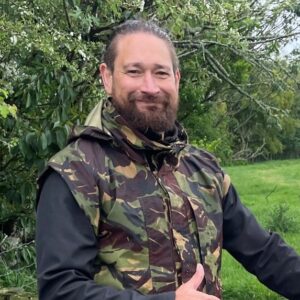
Te Ao o te Rangi Apaapa
Read bio

Frédérique Bertrand
Read bio
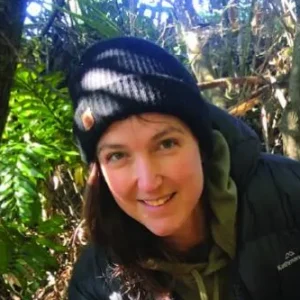
Bexie Towle
Read bio
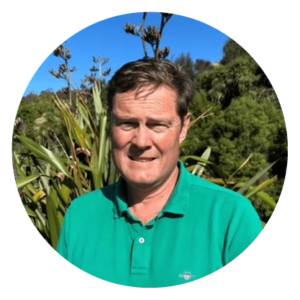
Stuart MacIntyre
Read bio
Stuart is a passionate advocate for sustainable agriculture, rooted in his upbringing on a 200ha mixed cropping farm in Hawke’s Bay.
As a founding member of LandWISE New Zealand and a champion of No Tillage and Strip Tillage, he knows the value of healthy water systems for New Zealand’s economy. After studying at Lincoln and running farming operations, he spent 20 years abroad launching new mobile services before returning to New Zealand to focus on using technology to improve farming.
Active in local catchment groups, Stuart is excited to blend his farming background with tech and governance expertise to drive positive sustainable change in our catchment communities.
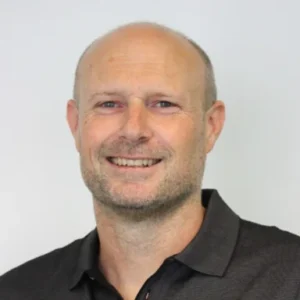
Dr Craig Depree
Read bio
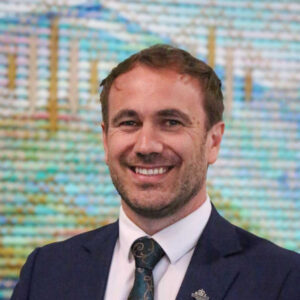
Dr Deon Swiggs
Read bio

Councillor Phil Morrison
Read bio
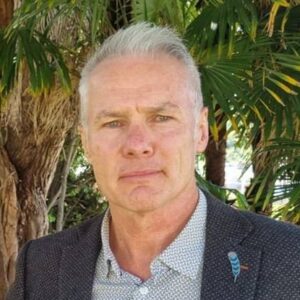
Patrick Lynch
Read bio

Megan Couture
Read bio
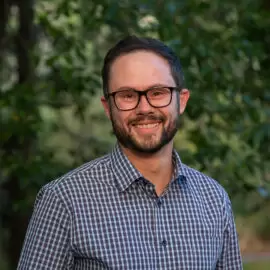
Greg Severinsen
Read bio
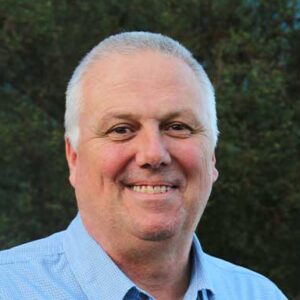
Dr Tim Davie
Read bio
Sponsors
Exhibitor

Watercare
Pen Sponsor

Hill-labs
Lanyard Sponsor

CS-VUE
Sponsorship Opportunities
Reach out to us with any enquiries about sponsorship opportunities.
We look forward to discussing how we can collaborate and maximise your brand’s visibility at this upcoming event.
Exhibitor
Come with a colleague
DOUBLE PASS
Standard-
Must be from the same organisation and book at the same time. For valid tickets, payment by XX Month, 202X.
DOUBLE PASS
Local, Central Govt, NGO & Māori Trusts-
Must be from same organisation and book at the same time. For valid tickets, payment by XX Month, 202X.
Individual tickets
Virtual Only
National Freshwater-
For valid ticket, payment by XX month 202X
Local, Central Govt, NGO & Māori Trusts - Individual tickets
Virtual Only
National Freshwater-
For valid ticket, payment by XX Month, 202X.
Super Saver
Local, Central Govt, NGO & Māori Trusts-
For valid ticket, payment by XX Month, 202X.
Early Bird
Local, Central Govt, NGO & Māori Trusts-
For valid ticket, payment by XX Month, 202X.
Last Minute
Local, Central Govt, NGO & Māori Trusts-
For valid ticket, payment by 24 March 2026.
Registration Conditions
Ticket Terms
All prices are in New Zealand dollars ($NZD)
A surcharge of 2.5% + GST applies to credit card payments on top of the total amount.
Pre-Sale Tickets are valid only for the specific event for which they were purchased and cannot be transferred to other events. To remain valid, Super Saver and Early Bird tickets must be paid by date quoted.
Group ticket options are valid for registrations from the same organisation, booked at the same time.
By selecting any special pricing offer for classes of organisation, sector, or individuals or using any promotion code, you are asserting to the organiser your right to claim any such pricing offer, and acknowledge the organiser’s right to audit such claim and, if in the opinion of the organiser using its sole discretion the conditions for special pricing are not met, reject any registration.
Digital access, including virtual tickets and on-demand recordings, is restricted strictly to the specific event for which the attendee registered.
For full terms & conditions, please visit https://www.brightstar.co.nz/terms-and-conditions
Check out our other upcoming events
Why you should be there
The 17th Annual Freshwater Conference in March offers crucial updates on policy, legislation, science, and governance impacting New Zealand’s freshwater management.
This high-level event is timed perfectly to deliver key analysis on upcoming changes, including the proposed revisions to the National Policy Statement for Freshwater Management and the Government’s two flagship resource management reform laws, which are due shortly.
It provides a timely opportunity to explore how these proposed changes will impact freshwater planning and management delivery. Furthermore, with Local Water Done Well now accelerating, the conference will address the challenges for council-controlled water services organisations as they navigate this transition and establish financially sustainable models.
Key Themes
- Reviewing proposed changes to Freshwater Policy Statements and Standards.
- Analysing the new Resource Management legislation‘s impact on planning.
- Assessing the latest science on our national freshwater status.
- Exploring nitrate contamination levels and tackling mitigation efforts.
- Examining the operational rollout of Local Water Done Well reforms.
KEY SPEAKERS FOR 2026
Our 2026 key lineup brings together experts across law, policy, science, and more.
Dr Tim Davie
Director Science & Acting Director of Operations
Environment Canterbury Regional Council
Conny Tschritter
Groundwater Scientist
Earth Sciences NZ
Simon Pilkinton
Partner – Environment and Planning
Russell McVeagh
Check out our other upcoming events
Venue
The location and how you can get there
Address
Crowne Plaza Auckland
128 Albert Street
Auckland Central
Auckland 1010
Agenda
8:30 | Registration and Coffee |
8:50 | Mihi whakatau |
9:00 | Welcoming remarks from Conference Chair Natalie Summerfield, Senior Associate, Buddle Findlay |
9:05 | Analysing the reform of resource management, environmental regulation and Local Government in New Zealand
Greg Severinsen, Reform Director, Environmental Defence Society (EDS) |
9.45 | Panel discussion: Rethinking the delivery of environmental monitoring resource management and planning
Dr Deon Swiggs, Chair, Environment Canterbury Regional Council Megan Couture, Deputy Chair, New Zealand Planning Institute & Senior Associate – Planning, BECA Patrick Lynch Manager – Regional Compliance and Resource Use, Waikato Regional Council| Te Kaunihera ā Rohe o Waikato Phil Morrison, Deputy Chair, Environment Southland |
10:30 | Morning refreshments |
11.00 | Exploring the latest legal updates on the Government’s environmental policy reform agenda and their impacts for freshwater management
Kirsty Dibley, Senior Associate - Environment and Planning Russell McVeagh |
11:40 | Assessing the levels of nitrate contamination in New Zealand's domestic drinking water
Conny Tschritter, Groundwater Scientist, Earth Sciences NZ |
12:20 | Tackling diffuse pollution at a wide scale – learnings from Canterbury
Tim Davie, Director Science, Environment Canterbury Regional Council |
1:00 | Lunch |
2:00 | Balancing environmental outcomes with productivity in agriculture to improve freshwater ecosystem health
Dr. Craig Depree, Principal Freshwater Scientist, Dairy NZ |
2:30 | Catchment groups - showcasing positive environmental work being done in our rural communities to improve freshwater health
Stuart MacIntyre, General Manager, Catchment Communities Aoteoroa |
3.00 | Case study: Catchment groups in action - Taiea te Taiao, Ecological Corridor
Bexie Towle, Project Coordinator - Taiea te Taiao, NZ Landcare Trust Te Ao o te Rangi Apaapa, Mātauranga Māori Facilitator - Taiea te Taiao, NZ Landcare Trust |
3:30 | Afternoon break |
3:50 | Assessing the practical implications of legal personhood of the Whanganui River
Dr Durgeshree Raman, Lecturer - Te Piringa - Faculty of Law, University of Waikato |
4:20 | Exploring the challenges ahead for council-controlled water services organisations (CCOs) in the operationalisation of Local Water Done Well delivery
Frédérique Bertrand, Director, Water Reform Policy and Stewardship, Department of Internal Affairs |
5:00 | Summary remarks from the Chair & Networking Drinks |
Speakers
Kirstey Dibley
Read bio
Te Ao o te Rangi Apaapa
Read bio
Frédérique Bertrand
Read bio
Bexie Towle
Read bio
Stuart MacIntyre
Read bio
Stuart is a passionate advocate for sustainable agriculture, rooted in his upbringing on a 200ha mixed cropping farm in Hawke’s Bay.
As a founding member of LandWISE New Zealand and a champion of No Tillage and Strip Tillage, he knows the value of healthy water systems for New Zealand’s economy. After studying at Lincoln and running farming operations, he spent 20 years abroad launching new mobile services before returning to New Zealand to focus on using technology to improve farming.
Active in local catchment groups, Stuart is excited to blend his farming background with tech and governance expertise to drive positive sustainable change in our catchment communities.
Dr Craig Depree
Read bio
Dr Deon Swiggs
Read bio
Councillor Phil Morrison
Read bio
Patrick Lynch
Read bio
Megan Couture
Read bio
Greg Severinsen
Read bio
Dr Tim Davie
Read bio
Sponsors
Exhibitor
Watercare
Pen Sponsor
Hill-labs
Lanyard Sponsor
CS-VUE
Sponsorship Opportunities
Reach out to us with any enquiries about sponsorship opportunities.
We look forward to discussing how we can collaborate and maximise your brand’s visibility at this upcoming event.
Exhibitor
Come with a colleague
DOUBLE PASS
Standard-
Must be from the same organisation and book at the same time. For valid tickets, payment by 24 March, 2026.
DOUBLE PASS
Local, Central Govt, NGO & Māori Trusts-
Must be from same organisation and book at the same time. For valid tickets, payment by 24 March, 2026.
Individual tickets
Virtual Only
National Freshwater-
For valid ticket, payment by 24 March, 2026.
Local, Central Govt, NGO & Māori Trusts - Individual tickets
Virtual Only
National Freshwater-
For valid ticket, payment by 24 March, 2026.
Super Saver
Local, Central Govt, NGO & Māori Trusts-
For valid ticket, payment by 13 February, 2026.
Early Bird
Local, Central Govt, NGO & Māori Trusts-
For valid ticket, payment by 6 March, 2026.
Last Minute
Local, Central Govt, NGO & Māori Trusts-
For valid ticket, payment by 24 March 2026.
Registration Conditions
Ticket Terms
All prices are in New Zealand dollars ($NZD)
A surcharge of 2.5% + GST applies to credit card payments on top of the total amount.
Pre-Sale Tickets are valid only for the specific event for which they were purchased and cannot be transferred to other events. To remain valid, Super Saver and Early Bird tickets must be paid by date quoted.
Group ticket options are valid for registrations from the same organisation, booked at the same time.
By selecting any special pricing offer for classes of organisation, sector, or individuals or using any promotion code, you are asserting to the organiser your right to claim any such pricing offer, and acknowledge the organiser’s right to audit such claim and, if in the opinion of the organiser using its sole discretion the conditions for special pricing are not met, reject any registration.
Digital access, including virtual tickets and on-demand recordings, is restricted strictly to the specific event for which the attendee registered.
For full terms & conditions, please visit https://www.brightstar.co.nz/terms-and-conditions
Make an enquiry
email info@brightstar.co.nz