⚠️ Our phones are currently down. Please email us at info@brightstar.co.nz and we’ll get back to you as soon as possible. We apologise for the inconvenience.

medico legal medicallegal medical law health counsel

The 23rd Annual Medico Legal Congress 2026

24 - 25 February 2027 | Grand Millennium, Auckland

Navigating the ever-changing medico-legal landscape of Aotearoa

Share on Facebook
Share on LinkedIn

Where law & medicine meet

Leading voices congregate across law, medicine, regulation, and policy to examine the complex interface between health policy, clinical practice, legislation, and ethics. Explore New Zealand’s latest health system reforms, including the Pae Ora Amendment Bill and Te Tiriti o Waitangi obligations. Learn how case law, coronial findings, and disciplinary proceedings are influencing both legal and clinical practice.

Get practical clarity on legal risks, regulatory compliance, and professional responsibilities while also engaging with the ethical challenges such as privacy, AI, workforce integration, and end-of-life care. 

Join us to navigate change, manage risk, and contribute to a fair, safe, and effective health system.

Essential themes requested by you

Court case deep dives

Review of recent Coroners Court proceedings and their implications for practice. Emerging trends in court and policy.

The Pae Ora Amendment Bill, Te Tiriti in health and recent HDC cases.

Supporting the workforce

Staffing and the Law: Navigating Obligations, Risks, and Industrial Challenges.

Integrating Physician Associates into the NZ Health System.

Reflecting on recent Health Practitioners Disciplinary Tribunal Cases.

The future of medico-legal

How AI is being used in the NZ health system – risks and benefits with respect to patient privacy, organisation information and security.

End of Life Choice Act. Implications of The Police Mental Health Response Change Programme.

Untitled design

Who should attend?

Healthcare leaders and practitioners

  • Doctors, nurses, and health professionals

  • Hospital, healthcare and clinical directors and medical managers

  • Healthcare compliance, and governance leads

Legal and regulatory professionals

  • Lawyers and barristers specialising in health, medical, or elder law

  • Legal advisors to hospitals, DHBs / Te Whatu Ora, and PHOs

Policy and governance professionals

  • Health policy makers and government officials

  • Board members and executives in clinical governance and committees

  • Academics in law, medicine, ethics, and public health

Sector associations

  • Legal and clinical professional and industry bodies

  • Patient advocacy groups

Venue

The location and how you can get there.

Address

Grand Millennium Auckland
71 Mayoral Drive, Cnr Vincent Street, Auckland 1010

2027 Agenda:

8:30

Registration and Coffee

8.50

Mihi Whakatau

9:00

Welcome remarks from the Chair

9:10

Healthcare regulation in transition – Reform, accountability and new models of care

  • Exploring the HPCAA Amendment Bill and what it means for the future of healthcare regulation

  • Examining the relationship between government, politics and independent regulatory bodies

  • Understanding the regulatory challenges of new and emerging health roles, including

  • Physician Associates and non-registered practitioners

  • Clarifying responsibilities around supervision, delegation and professional accountability

  • Exploring how regulation must evolve alongside new models of care

9.50

Panel discussion: The Future of healthcare delivery – Meeting expectations in a changing system

  • Examining the impact of Pae Ora and changing obligations across the health system

  • Exploring what happens when healthcare expectations cannot be met due to workforce or resource pressures

  • Discussing access challenges across primary and secondary care

  • Understanding organisational duties when systems are under pressure

  • Balancing quality, safety, sustainability and patient expectations

10:30

Morning break

11.00

Looking at patient rights with staff safety: Finding the balance

  • Understanding legal responsibilities when patients display aggressive or harmful behaviour

  • Examining obligations under workplace health and safety legislation

  • Discussing when restrictions, boundaries or escalation pathways may be required

  • Identifying practical strategies to protect staff while maintaining therapeutic relationships

Jon Moores, Deputy Chief Executive - Clinical Services, Hato Hone St John

11.30

Panel discussion: When patient rights collide with staff safety

  • Examining real-world cases involving violence, aggression and unacceptable behaviour in healthcare settings

  • Balancing patient rights, dignity and access to care with the safety of healthcare workers and other patients

  • Understanding employer responsibilities for preventing workplace harm and addressing psychological safety risks

  • Exploring practical approaches to managing challenging behaviours while maintaining therapeutic relationships

  • Discussing the role of clinical teams, leadership and legal advisors when risks escalate

Jon Moores, Deputy Chief Executive - Clinical Services, Hato Hone St John

12:10

Lunch

1.10

When things go wrong: Managing complaints before they become legal matters

  • Understanding why healthcare complaints escalate

  • Exploring effective responses to concerns from patients and families

  • Examining open disclosure, communication and apology principles

  • Understanding what clinicians should consider following adverse events

  • Learning how early intervention can reduce risk and rebuild trust

Simone Tune, Special Counsel, Duncan Cotterill

2.00

Inside the coronial process: Preparing evidence, giving evidence and learning from findings

  • Understanding the role of the Coroner and when deaths are referred

  • Mapping the coronial process from notification through to findings

  • Preparing clinicians to provide statements and evidence

  • Understanding how clinical documentation is examined during investigations

  • Learning from coronial findings to improve patient safety

Simone Tune, Special Counsel, Duncan Cotterill

2.40

Managing workforce risk in healthcare employment, competence and accountability

  • Exploring employment law developments affecting healthcare employers and practitioners

  • Examining how organisations should respond to concerns about practitioner competence, performance and conduct

  • Navigating notification obligations to responsible authorities and managing the risks of delayed or inadequate reporting

  • Discussing workplace pressures, workforce shortages and the challenges of maintaining safe healthcare delivery

  • Providing practical strategies to reduce employment and medico-legal risk

Jordan Boyle, Partner, Dyhrberg Drayton Employment Law

3:20

Afternoon break

3.50

Mental Health, the law and clinical practice – Navigating reform and complex decision-making

  • Exploring mental health law reform, including the review of the Criminal Procedure (Mentally Impaired Persons) Act 2003

  • Understanding the intersection between healthcare, mental impairment and the justice system

  • Balancing patient rights, autonomy, safety and compulsory care obligations

  • Examining the responsibilities of clinicians when managing complex mental health situations

  • Discussing practical challenges and future directions for mental health practice in New Zealand

4.30

Case study: Capacity in practice, protecting vulnerable adults

  • When EPOAs work and when they don't

  • Balancing autonomy, protection and duty of care

  • Managing complex situations involving family disagreement and competing interests

  • Responsibilities of healthcare providers

Rachel Windle, Founder and Trustee

Emily King, Founding Trustee

5:00

Summary remarks from the Chair & Networking Drinks

9:00

Opening remarks from the Chair

9:10

Health and Disability Commissioner Address

  • Exploring key insights and emerging themes from recent HDC reports and findings

  • Understanding the shift towards system-based learning, accountability and safer healthcare delivery

  • Examining serious adverse events, internal reviews and opportunities for improvement

  • Understanding how complaints progress and what healthcare providers can learn from investigations

Morag McDowell, Commissioner, Health & Disability Commissioner | Te Toihau Tautiaki Kaumātua

9.50

Health equity under scrutiny, when inequitable care becomes a medico-legal risk

  • Examining whether unequal healthcare outcomes can create legal and professional accountability concerns

  • Understanding how cultural safety expectations are reflected in regulatory standards and clinical practice

  • Exploring lessons from HDC cases involving communication, access barriers and failure to recognise patient needs

  • Discussing clinician responsibilities when systemic barriers affect patient care and outcomes

  • Balancing individual clinician accountability with wider health system responsibilities

  • Identifying practical strategies to deliver safer, more equitable healthcare

Kerri Nuku, President and Kaiwhakahaere, NZNO

10:30

Morning break

11.00

Privacy commissioner: Privacy, data and digital healthcare, protecting patients in a connected world

  • Exploring evolving privacy obligations in an increasingly digital healthcare environment

  • Understanding the role of the Privacy Commissioner in protecting health information

  • Examining lessons from healthcare privacy breaches and data incidents

  • Discussing appropriate use, storage and sharing of patient information

11.40

Innovation in healthcare, clinical responsibility and medico-legal risk

  • Exploring how AI is currently being used in healthcare and what is emerging

  • Understanding data, privacy and governance considerations when implementing AI tools

  • Examining clinical responsibility when AI supports diagnosis, treatment or decision-making

  • Maintaining critical thinking and professional judgement in an AI-enabled healthcare system

  • Identifying practical steps for clinicians and organisations to use AI safely

Amberley James, Partner, Dentons

12.20

Roundtable networking: Peer-to-Peer problem solving

  • Ministry of Older Adult Protection - Making sense of intervention services and gaps in NZ | Rachel Windle, Founder and Trustee and Emily King, Founding Trustee

  • Healthcare in the public eye, social media, reputation and patient privacy

  • Working with Non-Registered Health Practitioners: regulation, accountability and risk

  • When clinicians are investigated: Navigating professional accountability and disciplinary processes

  • Consent in the real world: Teaching, supervision and managing clinical uncertainty

  • Speaking up for patients: Advocacy, professional responsibility and healthcare reform

  • Documentation under pressure: Creating clinical records that protect patients and practitioners

  • AI in healthcare: Innovation versus accountability

1:00

Lunch

2.00

Panel discussion: The human cost of Medico-Legal risk, protecting clinicians under pressure

  • Exploring the impact of complaints, investigations and legal processes on clinician wellbeing

  • Examining burnout, defensive medicine and loss of confidence following adverse events

  • Understanding the support clinicians need when navigating professional scrutiny

  • Discussing how healthcare organisations can create safer environments that encourage learning and resilience

  • Exploring strategies to protect both clinician wellbeing and quality patient care

Dr Jo Sinclair, Chief Wellbeing Officer, Health New Zealand | Te Whatu Ora

2.40

When clinical decisions are challenged – Navigating conflict between patients, families and providers

  • Exploring disputes when clinical recommendations are questioned by patients or their families

  • Understanding the legal and ethical principles that guide clinical decision-making

  • Managing disagreements around treatment options, refusal of care and end-of-life decisions

  • Balancing patient autonomy, informed consent and professional responsibilities

  • Identifying when to seek ethics support, legal advice or multidisciplinary input

Dr Marion Leighton, Consultant General Physician

3:20

Summary remarks from the Chair

8:50

Registration and coffee


Workshop 1: Preparing for a coronial inquiry, from clinical records to giving evidence

From 9.00 to 12.30

  • Understanding the role of the Coroner and when deaths are referred for investigation

  • Navigating the coronial process and the responsibilities of clinicians throughout an inquiry

  • Preparing clear witness statements, robust clinical records and defensible evidence

  • Developing confidence when giving evidence and responding to questioning during an inquest

  • Examining lessons and emerging themes from recent coronial cases

  • Applying coronial recommendations to improve clinical practice, patient safety and organisational learning


Workshop 2: Consent in practice: Navigating complex decisions, communication and legal responsibilities

From 13.30 to 17.00

  • Understanding the legal and ethical principles underpinning informed consent

  • Exploring consent in complex situations, including impaired decision-making capacity, treatment refusal and shared decision-making

  • Developing effective communication strategies to explain risks, benefits, uncertainty and treatment options

  • Managing challenging consent conversations involving patients, whānau and substitute decision-makers

  • Strengthening clinical documentation and avoiding common consent-related pitfalls

  • Learning from Health and Disability Commissioner decisions and case studies to improve practice and reduce medico-legal risk

2027 Speakers:

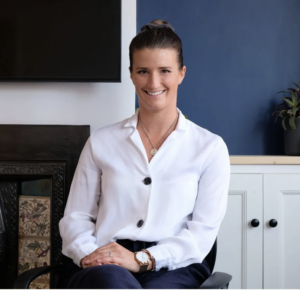
Jordan Boyle

Partner
Dyhrberg Drayton Employment Law
Jordan graduated with an LLB from Victoria University of Wellington in 2014 and was admitted to the Bar in September 2014. He joined Dyhrberg Drayton Employment Law in 2016 and became a partner in 2023. Jordan strategically advises employers and employees on a range of employment law matters including personal grievances, privacy issues, performance management, disciplinary and restructuring processes, and reviewing and drafting employment agreements and policies. His clients include various agencies within the health sector.

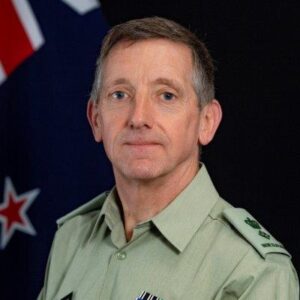
Jon Moores

Deputy Chief Executive - Clinical Services
Hato Hone St John Aotearoa New Zealand
Jon joined Hato Hone St John in 2018 and has held various roles in executive leadership, operations and clinical management. Jon leads the Clinical Services directorate which is an organisation-wide enabling service responsible for clinical governance, patient safety, the clinical development and education of ambulance personnel, and ensuring all clinically – focussed initiatives across Hato Hone St John are equitable, safe, and enable people to receive the care they need in the right place, at the right time.

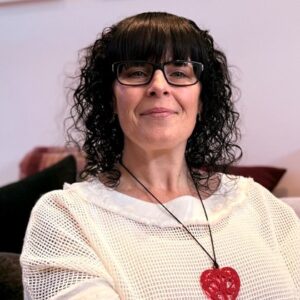
Rachel Windle

Founder and Trustee
Rachel is a registered social worker in private practice. She offers Professional Supervision and is an accredited EMDR Practitioner providing trauma therapy. Over the past 20 years Rachel has had extensive experience working in the areas of Statutory Social Work, Sensitive Claims, Brain Injury, Family Violence, Health and Psychiatry of Older People and Elder Abuse and Neglect. This experience led her to developing the concept of and founding the Seniors ASAP Trust to which she now contributes to as a Trustee.

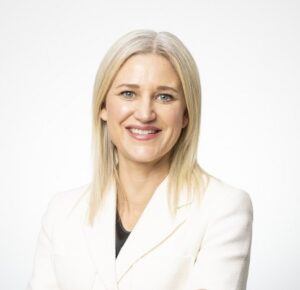
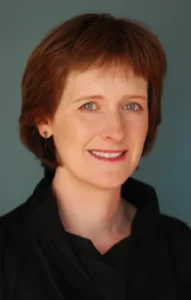
Simone Tune

Special Counsel
Duncan Cotterill
Simone is a Special Counsel at Duncan Cotterill. She is a specialist medico-legal lawyer with 25 years of experience across health, criminal, and public law. She has prosecuted over 50 criminal jury trials for the Crown and spent the last decade as a senior in-house legal counsel at Health New Zealand | Te Whatu Ora. Her expertise includes providing advice on all manner of medico-legal issues, including issues in relation to the Privacy Act and Health Information Privacy Code; Code of Rights issues; assisting in responses to the HDC, Coroner, auditors and other regulators, applications in the High Court for guardianship orders, withdrawal of life support orders, and treatment orders under the PPPR Act and appearing at coroners’ inquest hearings. Simone also drafts policies and consent forms for health providers, provides regular training to healthcare workers and managers and represents health professionals in complaints and disciplinary proceedings.

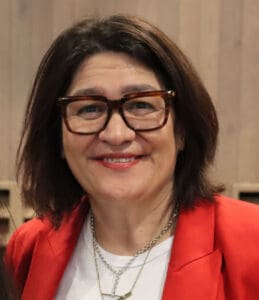
Morag McDowell

Commissioner
Health and Disability Commission
Morag McDowell, Health and Disability Commissioner, began her term in September 2020. Morag took up the role after serving nearly 13 years as a Coroner based in Auckland. She was formerly a Crown Prosecutor, Director of Proceedings for the Health and Disability Commissioner’s Office, and a Senior Legal Adviser at Crown Law. Since completing her Master of Laws degree, her legal practice has had a strong focus on healthcare law, and she has appeared in different courts and tribunals on a variety of health-related litigation. She has also lectured and published on a range of medico-legal issues. Morag is committed to promoting and protecting the rights of health and disability services consumers where the Code sets the benchmark for good practice, and opportunities for learning and quality improvement are embraced. She strongly values the importance of fair, timely, transparent, and culturally appropriate processes where people are engaged, and given the opportunity to be heard.

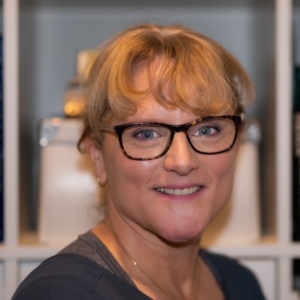
Kerri Nuku

Kaiwhakahaere
New Zealand Nurses Organisation
Kerri is a Registered Nurse and Midwife and has worked across primary, community and hospital-based nursing. Throughout her life and career, Kerri represents and advocates for the rights and aspirations of Māori and Indigenous nurses and health professionals throughout Aotearoa New Zealand, and on the global stage. Kerri develops and maintains relationships across indigenous networks and is a skilled strategist, thinker and advocate for human, Indigenous, Women’s, and Workers’ rights. Kerri is currently the Kaiwhakahaere at Tōpūtanga Tapuhi Kaitiaki o Aotearoa – New Zealand Nurses Organisation. She is also a member of the International Council of Nurses, Audit and Risk Committee, Co-chair of the Iwi Māori Partnership Board for Te Aka Whai Ora and is an Honorary Member of Tōpūtanga Tapuhi Kaitiaki o Aotearoa, New Zealand Nurses Organisation. Kerri’s keen interest in women’s and worker’s rights has led to her involvement in numerous legal challenges including the Mana Wāhine Kaupapa Inquiry, Oranga Tamariki Child Uplift Inquiry, pay parity, and the lead applicant of the Kaupapa Health Services Inquiry. Kerri’s international collaborations include the United Nations Universal Periodic Review, the Covenant on Economic, Social and Cultural Rights, shadow report and the Committee for the Elimination of Racial Discrimination. Kerri’s national and international accomplishments have seen her present interventions at the United Nations Permanent Forum on Indigenous Issues at the United Nations in New York, protecting the freedoms and rights of Indigenous peoples. Kerri is a recipient of the prestigious “International Human Rights and Nursing Award” from the University of Exeter, UK and is recognised as one of 100 Māori Leaders.

Emily King

Founding Trustee
Emily is a registered Social worker and Trustee of ASAP Trust. Emily’s social work career started on the medical wards at Whangarei Hospital and progressed into a PPPR (Protection of Personal and Property Rights Act) Specialist Social Work role providing consultation, education and support to vulnerable older adults, their families and health professionals. Emily now works in the community for the Psychiatry of Older People’s Service. Emily’s passion for working alongside vulnerable older adults and her knowledge and experience of service gaps and the need for family support has led to her interest in becoming a Trustee for ASAP Trust.

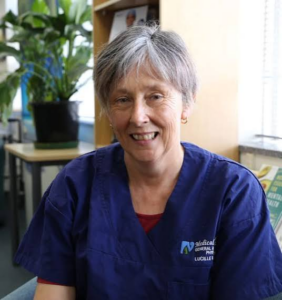
Dr Marion Leighton

Consultant General Physician
Dr Marion Leighton is a consultant General Physician living in Wellington. She worked at Wellington Hospital for over 20 years and then as a senior clinician at the National Immunisation Programme. More recently she has worked in regional and remote hospitals with a generalist focus including Whangārei and Alice Springs (Australia).
Her subspecialty interests are palliative care, eating disorders and medically unexplained syndromes.
She has a strong focus on equity and believes in the power of policy to change our healthcare landscape for good but also to damage it and engages regularly with the parliamentary process in this regard. She is a co-founder of Doctors for Active, Safe Transport – an advocacy group that helps planning agencies appreciate the health benefits of active transport.
She has training in Wilderness Medicine and occasionally guides groups into our beautiful national parks.

Dr Jo Sinclair

Chief Wellbeing Officer | Consultant Anaesthetist
Health New Zealand | Te Whatu Ora
As the Chief Wellbeing Officer at Health NZ, I am applying my skills and credentials in clinical leadership and organisational wellbeing to support and empower my fellow doctors and health professionals. I have over 12 years of experience as a Consultant Anaesthetist and a special interest in doctors’ health and wellbeing. I am passionate about creating a culture of courage, integrity, and compassion in the healthcare sector, promoting a psychologically safe workplace where ‘armour’ is not necessary or rewarded. I am also involved in the Health Roundtable Workplace Wellbeing Group and the ANZCA Wellbeing SIG Executive Committee, where I collaborate with other experts and stakeholders to promote best practices and innovative solutions for staff wellbeing. I believe in the words of Maya Angelou: “Do the best you can until you know better. Then when you know better, do better.” There is a wealth of research out there showing the importance of a thriving healthcare workforce. We need to do better

Workshop 1: Preparing for a coronial inquiry, from clinical records to giving evidence

26 February 2027 | 9.00 AM - 12.30 PM

This interactive workshop provides practical guidance on navigating the coronial process, preparing for inquests, and applying coronial learnings to strengthen clinical practice.

Participants will:

  • Understanding the role of the Coroner and when deaths are referred for investigation
  • Navigating the coronial process and the responsibilities of clinicians throughout an inquiry
  • Preparing clear witness statements, robust clinical records and defensible evidence
  • Developing confidence when giving evidence and responding to questioning during an inquest
  • Examining lessons and emerging themes from recent coronial cases
  • Applying coronial recommendations to improve clinical practice, patient safety and organisational learning


As a healthcare provider, strengthen your confidence in managing coronial matters while enhancing the quality, safety and defensibility of your clinical practice.

Speaker to be confirmed

Workshop 2: Consent in practice: Navigating complex decisions, communication and legal responsibilities

26 February 2027 | 1.30 PM - 5.00 PM

Explore the legal, ethical and practical foundations of informed consent, equipping clinicians to navigate complex conversations and make confident, patient-centred decisions.

Participants will:

  • Understanding the legal and ethical principles underpinning informed consent
  • Exploring consent in complex situations, including impaired decision-making capacity, treatment refusal and shared decision-making
  • Developing effective communication strategies to explain risks, benefits, uncertainty and treatment options
  • Managing challenging consent conversations involving patients, whānau and substitute decision-makers
  • Strengthening clinical documentation and avoiding common consent-related pitfalls


Build the confidence to navigate complex consent conversations while delivering care that is legally sound, ethically informed, and centred on your patients.

Speaker to be confirmed

Want to connect with this health sector audience?

Take the unique opportunity to engage with a highly qualified health sector audience. There are some exclusive opportunities to promote your company, products and services.

Contact sponsorship@brightstar.co.nz for more information.

Don't miss out on the connections and credibility boost!

Live B2B events are your chance to shine. Showcase your thought leadership, solidify your market position, and forge valuable connections with potential customers – all at once.

This exclusive event puts you in front of a highly skilled audience hungry for insights. Get ready for meaningful engagement that drives results.

Plus, we have some unique opportunities to put your company, products, and services in the spotlight.

Ready to take your brand to the next level? Contact us today to learn more or secure your spot at this leading event.

Separately Bookable Workshop

WORKSHOP

Day, X month
$ XXX +gst
  • For separately bookable workshop, payment by X month, 2027.

Health NZ & NGO Tickets

Team 3+

$ XXXX per person + gst
  • Must be from same organisation and book at same time. For valid tickets, payment by X month, 2027.

Super Saver

$ XXXX +gst
  • For valid ticket, payment by X month, 2027.

Early Bird

$ XXXX +gst
  • For valid ticket, payment by X month, 2027.

Full Price

$ XXXX +gst
  • For valid ticket, payment by X month, 2027.

Tickets Standard

Team 3+

$ XXXX per person + gst
  • Must be from same organisation and book at same time. For valid tickets, payment by X month, 2027.

Super Saver

$ XXXX +gst
  • For valid ticket, payment by X month, 2027.

Early Bird

$ XXXX +gst
  • For valid ticket, payment by X month, 2027.

Full Price

$ XXXX +gst
  • For valid ticket, payment by X month, 2027.
Registration Conditions

Ticket Terms
All prices are in New Zealand dollars ($NZD)
A surcharge of 2.5% + GST applies to credit card payments on top of the total amount.
Pre-Sale Tickets are valid only for the specific event for which they were purchased and cannot be transferred to other events.  To remain valid, Super Saver and Early Bird tickets must be paid by date quoted.
Group ticket options are valid for registrations from the same organisation, booked at the same time.
By selecting any special pricing offer for classes of organisation, sector, or individuals or using any promotion code, you are asserting to the organiser your right to claim any such pricing offer, and acknowledge the organiser’s right to audit such claim and, if in the opinion of the organiser using its sole discretion the conditions for special pricing are not met, reject any registration.

For full terms & conditions, please visit https://www.brightstar.co.nz/terms-and-conditions

Check out our other upcoming events

Get in touch.

Got questions? Write to us.

General Contact

This field is for validation purposes and should be left unchanged.
This field is hidden when viewing the form