
⚠️ Our phones are currently down. Please email us at info@brightstar.co.nz and we’ll get back to you as soon as possible. We apologise for the inconvenience.

23 - 25 Feb 2027
Virtual

Specially designed for finance leaders elevating business decision-making

The Strategic Finance Series is a three-day virtual event designed for accounting and finance leaders looking to strengthen their strategic perspective, navigate emerging challenges and turn strategic priorities into tangible business results.

Across three focused days, explore the issues shaping the future of finance, from risk, resilience and business transformation to AI-driven change and the human capabilities that remain essential to effective leadership in the finance function and beyond.

Julie Schumacher

Educational Research and Development Consultant
| Director

The Education Group

Vaughan Couillault

Programme Lead – Engagement (Curriculum and Assessment Change Program)

Papatoetoe High School

Sarah Washbrooke

Deputy Chair

TENZ
Billie-Jean Potaka Ayton

Principal

Kaiti School
Catherine Law

Principal

Avonside Girls’ High School

Who should join?

  • CFOs and Finance Directors

  • Finance Managers and Financial Controllers

  • Accounting and Finance Professionals

  • Strategic Planning and Business Performance Leaders

  • Finance Transformation and Operations Leaders

  • Senior Business Leaders involved in financial decision-making

tile 3


Why your school will value this investment:

The Kura Conference is designed for maximum institutional impact, tailored specifically for Primary & Secondary School Leaders, HODs, Lead Teachers, and Educational Innovators.

Because this is a multi-streamed event covering curriculum, tech, and wellbeing simultaneously, the most effective strategy is to send a leadership cohort to divide and conquer the program. By customising your team’s experience and swapping between streams, your school will walk away with a comprehensive return on investment:

Actionable Curriculum Blueprints:

Your curriculum leads and HODs will gain ready-to-implement frameworks for the refreshed national curriculum, moving seamlessly from policy to classroom practice.

Workload Reduction through Tech:

Your educational innovators will discover verified AI and tech use cases specifically vetted to give teachers time back and streamline administration.

Strategic Alignment & Value Protection:

Your senior leadership team will acquire the change-management tools needed to align incoming national priorities with your school’s unique local values.

Staff Resilience & Wellbeing:

Your leadership cohort will bring back practical, systemic strategies to combat teacher burnout, navigate complex student behaviours, and support neurodivergence.

National Networking:

Your staff will connect and collaborate with primary and secondary peers from across Aotearoa who are successfully navigating the exact same transitions.

3 Days. One Definitive Experience for the Finance Leader.
Day 1 examines how finance leaders can identify and manage business risks, strengthen financial resilience and respond to economic uncertainty.

Explore how to assess potential threats, adapt to changing market conditions and guide business decisions that protect profitability and maintain performance through periods of disruption.
Day 2 examines AI and transformation in the accounting and finance function, focusing on the evolving role of technology in finance and the wider implications for how work gets done.

Explore the challenges and opportunities associated with transformation as finance leaders consider how to respond to technological change and prepare their functions for a changing future.
Day 3 turns the focus to the human advantage, examining the importance of people and leadership.

Navigating change means considering not only what technology can do, but also how people lead, adapt and collaborate.

Explore the capabilities that matter as the profession continues to change.

8:30

Mihi Whakatau

8:45

Welcome from the Chair

Vaughan Couillault, Programme Lead Engagement | Qualification for the Curriculum and Assessment Change Programme, The Ministry of Education

9:00

Leading under pressure: Creating the conditions for people to thrive

Drawing on more than two decades in psychology and high-performance environments, David Galbraith explores what happens to us - and the people around us - when pressure rises, expectations grow and change keeps coming.

  • Explore how our own state, presence and behaviour (under pressure) can shape the energy, culture and performance of those around us

  • Consider what helps people remain connected, courageous and able to perform when uncertainty, stress and change are present

  • Look beyond simply managing stress or getting through change, and reflect on the conditions we can create for ourselves and others to genuinely thrive

David Galbraith, Clinical Psychologist and Performance Coach

9:45

Learning beyond the algorithm: Preparing humans for a future we can't yet see

  • Explore the human capabilities that will matter most in an AI-enabled world, including curiosity, judgement, creativity and relationships

  • Discover how education can prepare learners for the future of work and leading intelligence through non-lineal learning

  • Learn how to create digitally enabled futures that are culturally grounded, intergenerational, and protect the aspirations of Māori learners

  • Challenge the rush to adopt new technology and explore how thoughtful, values-led innovation can deliver better outcomes for learners and communities

Elle Archer, Systems Strategist and Futurist

10:30

Morning Tea

The Engine

Curriculum, pedagogy and change

The Frontier

Innovating for the future of learning

The Heart

Leading for impact

10:50

Welcome from the Chair


Stephanie Thompson, Tumuaki, Beach Haven Primary School

Welcome from the Chair


Hamish Johnston, Chair, TENZ

Welcome from the Chair


Stephen Evans, Tumuaki, Te Whānau ŌtūMatua

11:00

Te Mātaiaho, New Zealand Curriculum Update

  • Practical walkthrough of curriculum expectations

  • Insights in to significant shifts after consultation

  • Updates and insights into the next 3 years of curriculum roll out

  • Considerations in ensuring cuturally responsive implementation of the curriculum

  • Support resources available and professional learning opportunities

Hayley Welch, General Manager, New Zealand Curriculum & Te Whāriki, Ministry of Education

From fashion to future pathways: Inspiring the next generation through technology and STEAM

  • Explore Whaea Nan's journey from the fashion industry to becoming a technology educator and the lessons she's learned along the way

  • Discover how blending emerging technologies with mātauranga Māori creates authentic, engaging learning experiences that inspire Māori students, girls, and future engineers

  • Learn how whakawhanaungatanga, strong relationships, student voice, and real-world design projects can unlock creativity, confidence, and meaningful pathways beyond school

  • Reflect on the importance of remaining a lifelong learner—embracing vulnerability, learning alongside students, and continually adapting to prepare young people for an ever-changing future

Whaea Nan Walden, Design and Evaluation Lead, Te Ahuaha Hangarau Kaiako - Creative Technology Teacher, Wellington East Girls College


2026 New Zealand Prime Minister's Science Teacher Prize Recipient

Panel | Holding the centre: Leading through change and adapting with purpose

  • Explore practical strategies to navigate significant reform while protecting self and staff wellbeing

  • Creating clarity, connection and confidence while helping staff adapt to uncertainty, shifting priorities and new ways of working

  • Maintaining momentum through change and using strong leadership to turn reform into opportunities for your staff, ākonga and wider school community

Lucy Naylor, Tumuaki, Milford School and President, Auckland Primary Principals Association

Greg Allan, Tumuaki, South Makirikiri School

Karen Brinsden, Tumuaki, Botany Downs Secondary College and President, Auckland Secondary Schools Principals’ Association

Daryl Gibbs, Tumuaki, Cambridge Middle School and President, NZ Association of Intermediate Middle Schooling

11:45

Case studies | How schools are redesigning curriculum through local contexts


SCHOOL 1


Keeping focus: Curriculum design, Mātauranga Māori and Te Tiriti o Waitangi

  • Outlining approach to local curriculum design

  • How this kura designed their implementation plan, prioritised steps and lead change throughout the community

  • Deepening how te ao Māori, mātauranga Māori, and local curriculum contexts are authentically embedded in everyday teaching

Table discussions and Q&A


Bryan Rehutai, Tumuaki, Te Uru Karaka Newton Central School

Reimagining learning for the AI era

  • Establishing safe, ethical and effective AI use in NZ schools

  • Building literacy across your community of teachers, students and whānau

  • Leveraging AI to enhance indigenous education and safeguard data sovereignty

Brendon Shaw, Educator, Papatoetoe North School, PHD student, University of Waikato

Leading with courage: Strengthening school culture through culturally responsive leadership

  • Explore how courageous, values-driven leadership can foster a school culture grounded in trust, belonging, and high expectations for every learner

  • Share practical strategies for building cultural capability across staff and embedding culturally responsive practice into everyday leadership

  • Demonstrate how authentic partnerships with whānau and mana whenua can strengthen decision-making, enrich learning, and create a shared vision for success

  • Highlight approaches that support equitable outcomes for Māori learners by embedding Te Tiriti o Waitangi commitments into school leadership, culture, and practice

Leanne Otene, National Director, Te Arahou o Aotearoa Trust (Māori Achievement Collaborative - MAC)

12:30

Lunch

1:30

SCHOOL 2


Leading curriculum change that works: Practical and intentional approach

  • Learn how Brunswick school are navigating curriculum change and practical strategies to design effective teaching and learning programs

  • Working alongside the Minister and Ministry; explore their trial of the draft learning areas in multi-level classrooms with a focus on social science and science curriculums outside of the year by year sequence

  • Leading with intention and using a commonsense approach to change management and prioritisation

Table discussions and Q&A


Jane Corcoran, Tumuaki, Brunswick School and Vice President, NZ Rural Schools Leadership Association

Innovation station: Transforming learning through technology

  • Hear directly from schools about how they're using technology to build creativity, problem-solving and real-world learning across the curriculum

  • Discover how schools chose and incorporated new technologies, plus innovative approaches to getting more out of the tools they already have — and the results they've seen in the classroom

  • Learn practical advice on when and how to introduce new technology, and how to build shared literacy across your school for using it safely and effectively

Conor McHoull, Head of Digital Learning & Innovation, Kristin School

Whaea Nan Walden, Design and Evaluation Lead, Te Ahuaha Hangarau Kaiako - Creative Technology Teacher, Wellington East Girls College

Jo Rea, STEAM Specialist Teacher, Bayswater Primary School

Leading with confidence: managing complaints, investigations and community challenges

  • Vexatious complaints, OIA requests and Ombudsman complaints

  • Ensuring strong frameworks to deal with increase in challenges

  • Responsibilities of the principal and board to ensure fair & reasonable investigation

  • What it looks like to be under investigation

Gretchen Stone, Partner, Harrison Stone

2:15

Panel | Assessment and reporting in practice: Practical insights from schools navigating new requirements

  • How schools are using SMART and other assessment tools to support decision-making

  • Comparing assessment results across different tools to inform teaching and reporting

  • Practical approaches to reporting student progress to whānau using multiple sources of evidence

  • Real-world examples of how others are approaching challenges associated with multi-level classes, students with English as a second language and new assessment requirements

Andrew King, Tumuaki, Ōropi School

Tagget Christophersen, Deputy Principal, Cambridge Middle School

Ngaria Stephenson, Tumuaki, Woodlands Park School


Whēnua First: Building a Rural Campus for Deeper Learning

  • Discover MI Papakāinga, Manurewa Intermediate's Rural Campus, how the vision came to life, and the practical steps taken to transform the site into a thriving whēnua-based learning environment

  • Learn how the school brought students, staff, whānau and the wider community on the journey, including the challenges faced and the partnerships that made the vision possible

  • Explore practical examples of whēnua-based learning in action and the impact it has had on student engagement, wellbeing, resilience and environmental stewardship

Jo McIntyre-Brown, Director MI Papakāinga (MISRC), Manurewa Intermediate School

Employment matters in schools: Navigating disputes, risk and complex cases

  • Explore key principles of managing staff employment issues, disputes and performance concerns within a school context

  • Examine case law examples that highlight different legal pathways, decision points and potential outcomes for employers

  • Work through real-world complex scenarios to understand how similar situations can escalate and how to respond effectively and fairly

Fi McMillan, Special Counsel, Anderson Lloyd

3:00

Afternoon tea

3:30

Workshop | Navigating the curriculum refresh: From information to implementation

  • Identify where your school is now and clarify the intended improvement for learners, drawing on curriculum requirements, evidence and lessons from the day

  • Pinpoint one high-leverage implementation priority and map the leadership actions, responsibilities and support needed to move it forward

  • Build a practical 90-day implementation plan, including checkpoints, evidence of progress and one immediate action to take before the end of the school year

  • We encourage you to bring another team member to this session to collaborate and leave with clear collective next steps

Sarah Hynds, Director, The Education Group

Case study | The Academy: Building Learning for the Future

  • Explore the lessons from building a school from the ground up, from curriculum development and innovative learning spaces to preparing students for the future of work

  • Discover how an industry-led leadership team is shaping learning, challenging traditional models and creating new approaches to teaching, learning and student pathways

  • Learn what it means to build a school for its community, with a focus on designing an education model that responds to the needs of Aotearoa’s learners and New Zealand’s future

Tristan O'Hanlon, Principal, The Academy

TIPENE: Reimagining education for Māori boys

  • Explore Tīpene’s co-principal leadership approach, its connections to the school’s history, and the early lessons gained on the journey so far

  • Examine how the kura is using its unique place, history and geographic connections to create an education experience that reflects the strengths, aspirations and identity of its ākonga

  • How the school is working to shift mindsets among students, designing an education model grounded in kaupapa Māori, and its vision for Māori boys education

Nathan Durie, Co-Tumuaki, TIPENE

4:15

Workshop continued

Reducing workload with AI: Real-world strategies that save time

  • Practical use case of using AI to complete administrative tasks, giving teachers more time to spend with students

  • AI as a tool to enhance teacher capability (not a replacement)

  • Lesson planning, checking data, how to train AI to adapt to your style, prompts


Leading for inclusion: Navigating behaviour in the classroom

  • Building understanding of different behaviours and its impact on learning, wellbeing, and performance

  • Creating inclusive environments with what you have in the classroom

  • Practical strategies to support the different needs of your akonga

Stephen Evans, Tumuaki, Te Whānau ŌtūMatua

4:50

Summary remarks from the Chair

Summary remarks from the Chair

Summary remarks from the Chair

5:00

Networking Drinks

8:45

Welcome from the Chair


Welcome from the Chair

Vaughan Couillault, Programme Lead Engagement | Qualification for the Curriculum and Assessment Change Programme, The Ministry of Education

8:50

Transforming schools through connection, belonging and wellbeing

  • Lessons from leading a whole-school transformation grounded in relationships, belonging, and equity

  • Why wellbeing, cultural connection, and emotional safety are the foundations for engagement, achievement, and lasting change

  • Using relational neuroscience and te ao Māori to create school cultures where learners, staff, and whānau thrive

Jase Williams, TEDx Speaker, Author & Former Principal

The Engine

New Zealand Curiculum | Te Mātaiaho, assessment and reporting

The Frontier

Innovating for the future of learning

The Heart

Leading for impact

9:40

Welcome from the Chair and introduction to stream


Dr Catherine Law, Tumuaki, Avonside Girls High School and Program Lead Years 11-13 National Curriculum Development, MOE

Welcome from the Chair


Hamish Johnston, Chair, TENZ

Welcome from the Chair


Stephen Evans, Tumuaki, Te Whānau ŌtūMatua

9:45

10.00am

Te Marautanga o Aotearoa, Māori-medium curriculum of New Zealand

  • Practical walkthrough of curriculum expectations

  • Insights into significant shifts after consultation

  • Support resources available and professional learning opportunities

Kiritina Johnstone, Programme Lead for Māori Medium within Te Poutāhū | Curriculum Centre, Ministry of Education

Whanaungatanga in action: Building stronger community connections

  • Learn how a student-led podcast became a powerful platform for sharing stories, amplifying voices, and deepening connections across the school community

  • The importance of building meaningful partnerships with whānau and community groups to support student success

  • Develop authentic and enduring relationships with local iwi that enrich learning and strengthen cultural understanding

  • Explore practical ways to embed Te Tiriti o Waitangi and celebrate the diverse cultures represented within your kura

Dan George, Tumuaki, Victory Primary School

PANEL | Stepping up: Preparing for principalship

  • Developing leadership capability and succession pathways within your school

  • Practical steps aspiring principals can take now to prepare for the next stage

  • Lessons on sustainable leadership, resilience, and avoiding burnout in the early years

Alistair Luke, Tumuaki, Whangamata Area School

Jo MacDonald, Kairangahau Matua, Senior Researcher, NZCER

Rebekah Watts, Leadership Advisor, Ministry of Education

10:30

Morning Tea

11:00

Case studies | How schools are redesigning curriculum


Leading in Times of Change: Our Journey Towards the New Curriculum

  • Prioritising Change – What matters most, and what comes first?

  • Planning for Implementation – Turning curriculum direction into practical action

  • Leading People Through Change – Building understanding, ownership and confidence

Table discussions and Q&A


Kirsty Dowding, Tumuaki, Hobsonville Point secondary School

STEAM in the new curriculum: Where does Technology fit?

  • Explore how teachers can use Technology as a foundation for meaningful STEAM and integrated learning while still working within the requirements of the new curriculum

  • Consider how knowledge, context, culture and purposeful practice can come together without losing the distinctive contribution of Technology within an integrated approach

  • Take part in practical table discussions and examples that explore what integrated, knowledge-rich STEAM learning could look like in classrooms under the new curriculum

Ruth Lemon, Kaiārahi

Sarah Washbrooke, Deputy Chair

Technology Education New Zealand (TENZ)

Leading safe outdoor learning: Governance, risk and responsibility

  • Clarifying the roles of boards, principals and school leaders in creating safe, high-quality Education Outside the Classroom (EOTC) programmes

  • Drawing on the Fatality Prevention Mindset, learn how leadership, governance, staff competence, clear responsibilities and learning from past incidents contribute to effective safety systems

  • Explore practical examples to support discussion about overseeing higher-risk activities, working with external providers, responding to changing conditions, and ensuring that reviews and investigations lead to improved practice

Fiona McDonald, Chief Executive, Education Outdoors New Zealand

11:45

Case studies | How schools are redesigning curriculum


Leading Curriculum Change: From Planning to Implementation

  • Learn more about how Whangamata Area School is approaching implementation plans, prioritisation and leading curriculum change

  • Explore structure of delivery and timetable design for Y9-10 and early planning for 2028 and beyond

  • Leading change with confidence and purpose, and inspiring others through uncertainty

Alistair Luke, Tumuaki, Whangamata Area School

Case study 1 | STEAM in action: A school's journey to real-world learning

  • Explore how one school has embedded STEAM across its curriculum to create authentic, engaging and future-focused learning experiences

  • Learn about the structures, partnerships and teaching approaches that support interdisciplinary, inquiry-based learning

  • Gain practical insights into the challenges, successes and lessons learned, with ideas you can adapt to your own school context

Jo Naera, STEAM Teacher, Maungatapu School

Tane Bennett, Tumuaki, Maungatapu School

Student voice: Empowering young people to shape their future

  • Hear this firsthand story of advocating for curriculum change as a secondary student, and explore what her experience reveals about giving young people a genuine voice in shaping the systems they learn within

  • Reflect on the role schools and leaders play in building student confidence, agency and leadership, and how creating space for student voice can influence young people well beyond their time at school

  • Take away practical perspectives on how principals can foster a culture where students are encouraged to speak up, challenge ideas, take action and connect their learning to the world beyond the classroom

Leah Bell, Former Student Curriculum Advocate and Researcher, Tauhokohoko Project

12:30

Lunch

1:30

Table discussions - Preparing for Y11 in 2028

  • Facilitated table discussions with schools facing similar opportunities and challenges

  • Opportunity to share ideas with your peers and plans for Y11 in 2028

  • Early thinking around time table design, removal of exams and preparing the first cohort

Dr Catherine Law, Tumuaki, Avonside Girls High School and Program Lead Years 11-13 National Curriculum Development, MOE

Case study 2 | STEAM in action: From getting started to making an impact

  • Hear how Papakura High School has established a STEAM program across its curriculum to create authentic, engaging and future-focused learning experiences

  • Explore the lessons learned, challenges and early successes of a new program, alongside the vision for how it can evolve and create greater opportunities for students

  • Discover how STEAM education has increased engagement and attendance and allowed students to feel included, capable and connected to their learning and the real world

  • Take away practical ideas, strategies and approaches you can adapt as you develop or strengthen STEAM in your own school

Anusha Soupen, Director of STEAM, Papakura High School

From overseas to Aotearoa: Supporting international teachers to thrive

  • Helping international teachers navigate the culture, values, and expectations of New Zealand kura including understanding Te Tiriti o Waitangi in practice

  • Effective induction and mentoring strategies that build confidence and belonging

  • Helping international teachers settle confidently in Aotearoa by building their cultural literacy, and an appreciation of Aotearoa history and local context

Anne-Louise Robertson, Kaihuawaere | Learning Consultant, Tātai Aho Rau - Core Education

2:15

Industry-led subjects: Shaping the future of learning

  • Explore the recently introduced industry-led subjects and how they will strengthen connections between education, learners and the world of work

  • Understand how subjects will be developed and the role of the Industry Skills Boards

  • Consider what these subjects could mean for your school, including curriculum planning, timetabling, facilities and staffing

  • Find out how the consultation process will work, what feedback is being sought, and how you can have your say in shaping the subjects

Sarah Davis, Programme Lead for Industry Led Subjects, Ministry of Education

Inspired by STEAM: Finding my path to engineering

  • Hear this presenter's personal journey into STEM, including what inspired her and the experiences that shaped her pathway into engineering

  • Explore how hands-on learning, opportunity and encouragement helped build confidence and open new possibilities

  • Consider how educators can create more opportunities for young people to see themselves in STEM and feel inspired to pursue STEM careers

Lynn Catton, Mechanical Engineering Graduate, BlueScope Steel

AI and Wellbeing: Putting People at the Heart of Education

  • Explore how AI can support teacher wellbeing by reducing workload, alleviating stress and creating more space for meaningful teaching and learning relationships

  • Examine the opportunities and psychological risks of AI for students, including personalised support, emotional dependency and impacts on social development and critical thinking

  • Identify practical principles for using AI responsibly to enhance wellbeing while protecting human connection, professional judgement and the relationships at the heart of education

Jennifer Gold, CEO, The Kindness Company

3:00

Summary remarks from the Chair


Dr Catherine Law, Tumuaki, Avonside Girls High School

Summary remarks from the Chair

Summary remarks from the Chair


Stephen Evans, Principal, Te Whānau ŌtūMatua

3:15

Conference end

Speakers

Jennifer Gold

CEO
The Kindness Company
Dr Jennifer Gold is a relationship and wellbeing researcher, innovator and CEO of The Kindness Company. With over 30 years’ experience in counselling, education and human development, her PhD research synthesised more than 35,000 studies and earned AUT Dean’s Honours recognition. She is now pioneering science-informed AI technologies to enhance human wellbeing, strengthen relationships and make personalised support more accessible.

Hamish Johnston

Chair
Technology Education New Zealand (TENZ)
Hamish Johnston is the Heamana (National Chair) of Technology Education New Zealand (TENZ) and Head of Technology at Ellesmere College. Holding degrees in Computer Science and Secondary Teaching, Hamish is an experienced educator and sector leader deeply committed to thoughtful curriculum change, inclusion, and kaiako support across Aotearoa. He has served as a subject advisor for Phase 1–4 of the Technology Curriculum and Phase 5 Technology Subjects as part of the Curriculum and Assessment Change Programme, alongside his work at Ellesmere College and leadership with TENZ. At his core, Hamish is passionate about leveraging technology and effective pedagogy to see all ākonga thrive.  

Sarah Davis

Programme Lead for Industry Led Subjects, Ministry of Education
Tumuaki, Rotorua Girls' High School

Sarah Davis has been seconded to the Ministry of Education as Programme Led for Industry Led Subjects for 2026. She has been Principal of Rotorua Girls’ High School since 2019, and before that Timaru Girls’ High School.

She has enjoyed her time working in this work stream and getting to be part of the design of new subjects for our senior secondary qualifications for 2029. Sarah lives in Rotorua, she has a daughter in Year 13 at RGHS and a son who is in his last year of study at Canterbury University.

Tristan O’Hanlon

Principal
The Academy
Tristan O’Hanlon is a Teaching Fellow at the University of Auckland and a founder of The Academy, a new independent science and technology-focused school in West Auckland. As the school’s Founding Principal, he is developing an academically rigorous and innovative approach to secondary education, with a particular focus on science, mathematics, technology and developing students’ ability to pursue their passions.
In 2024, Tristan was awarded the Rutherford Trophy by the New Zealand Institute of Physics for innovation in physics education. Alongside lecturing in undergraduate physics, he trains the next generation of science and physics teachers at the University of Auckland.

Rebekah Watts

Leadership Advisor
Ministry of Education
Rebekah Watts is a Leadership Advisor with the Ministry of Education, supporting school leaders across Auckland to strengthen leadership capability and school improvement. She previously served for more than nine years as Principal of Panmure District School and was Lead Principal of the Maungakiekie Kāhui Ako. Rebekah works closely with aspiring, acting and beginning principals and is passionate about leadership development, having supported several deputy principals into principalship. She is currently completing a Doctor of Business Administration, with research focused on pathways to principalship and how schools can grow sustainable leadership pipelines for the future.

Alistair Luke

Tumuaki
Whangamata Area School
Highly regarded Whangamatā Area School Principal and nationally recognised education sector leader. Alistair sits on the Ministry of Education’s Professional Advisory Group (NCEA) and the Senior Secondary Curriculum Assurance Group. He has also been Chairperson of the Central North Island Secondary Principals’ Association (CNISPA). Alistair has sat on several appointment committees, including for Regional Director of Education (Waikato), and assisting several local schools with Principal appointments.

Sarah Hynds

Director
The Education Group
Sarah is an experienced leader known for developing high-performing teams and supporting emerging leaders. As Principal of Karaka School in South Auckland, she embedded Assessment for Learning across the school, creating a model of practice for others. Her strengths include leading organisational change, coaching and mentoring, curriculum design, assessment systems, collaborative inquiry, and building inclusive, improvement-focused cultures.
Sarah works confidently with Senior and Middle Leaders, and teachers in organisational improvement, strategic planning, curriculum development, pedagogy, coaching, leadership development and Professional Growth Cycles. She is deeply committed to ākonga wellbeing and achievement.

Sarah Washbrooke

Deputy Chair
Technology Education New Zealand (TENZ)
Sarah has been teaching Technology for over twenty five years in the UK and NZ after completing her BA (Hons) Industrial Design and Technology degree. She has led teams and facilitated professional learning for teachers in different areas of STEM & Technology. Sarah has taught a wide range of ages, needs and cultures in different school environments as a Technology specialist. She is always ready to develop her understanding and knowledge in Technology and has taken part in many PLD projects, including the MoE Resource development and facilitation project, regional hub leader for Kia Takatū ā-Matihiko, TENZ’s Matanga project & DTTA executive. In 2020, Sarah was the first Technology teacher in NZ to receive the Prime Minister’s Science Teacher prize.

Jo Rea

STEAM Specialist Teacher
Bayswater Primary School
Jo is a STEAM (Science, Technology, Engineering, Arts and Maths) specialist teacher working across two primary schools in Tāmaki Makaurau. She brings practical classroom expertise to the TENZ council and is passionate about supporting teachers to authentically integrate Hangarau and STEAM across the curriculum.
Previously a Digital Technologies specialist, Jo has led professional learning for teachers throughout Australia and New Zealand. Her particular interests include digital citizenship and safety, design thinking, artificial intelligence, animation and 3D modelling at the primary level, with a focus on making emerging technologies engaging and accessible for young learners.

Tagget Christophersen

Deputy Principal
Cambridge Middle School
I am a Deputy Principal at Cambridge Middle School. Key areas I lead are curriculum, assessment and reporting, learning support, and transitions. I am passionate about creating meaningful learning experiences that enable all ākonga to experience success academically, socially and culturally. A key focus of my leadership is using assessment thoughtfully to inform teaching, understand learner progress and communicate clearly with whānau. I value drawing on multiple sources of evidence to build a rich picture of learning and progress. I am particularly interested in practical, responsive approaches to assessment and reporting that support kaiako decision-making while recognising the diverse strengths and needs of ākonga.

Anne-Louise Robertson

Kaihuawaere | Learning Consultant
Tātai Aho Rau, Core Education
Anne brings over 40 years of experience in teaching and leading change across the UK and Aotearoa, providing a deep understanding of kaiako (teachers), ākonga (learners), and diverse school contexts. At the heart of her mahi is strengthening pedagogy through the science of learning, enabling kaiako to embed evidence-informed strategies that promote deep understanding and long-term retention, ultimately leading to improved learner outcomes. Anne is committed to learning that is relevant, culturally grounded, and connected to the stories of place.

Ngaria Stephenson

Tumuaki
Woodlands Park School

Ngaria is the Tumuaki of Woodlands Park School and the Vice President of the Auckland Primary Principals’ Association. She is also the Immediate Past President for the Waitakere Area Principals’ Association.

Even as an experienced educational leader, navigating the evolving landscape of Aotearoa’s education sector requires a balance of optimism and realism.

Leadership in times of systemic change means confronting the full spectrum – the good (innovative practices that empower tamariki), the bad (the friction and overload of shifting policies), and the ugly (the fatigue and inequities that surface when systems are stretched). Through change, I have focused on maintaining school stability, filtering noise, and making evidence-informed decisions using practical assessment and the new reporting tools. I look forward to sharing authentic insights on leading through change while keeping our tamariki and whānau at the center.
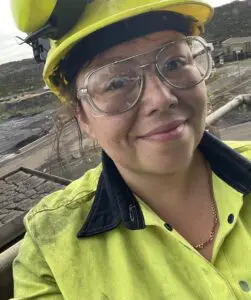
Lynn Catton

Graduate Mechanical Engineer
New Zealand Steel
I’m Lynn Catton, a Graduate Mechanical Engineer at New Zealand Steel. Growing up, I never imagined a career in engineering was possible for someone like me. With encouragement, hands-on learning, and a determination to create a better future, I found my path into STEM. Today, I’m passionate about sharing my story, supporting young people through the Wonder Project, and helping students see that their background doesn’t define their potential. I hope to inspire others to explore STEM careers and believe in opportunities they may not yet see for themselves.

Leah Bell

Former Student Curriculum Advocate
Researcher, Tauhokohoko Project
Leah Bell is a historian, researcher, and advocate, recently completing her Masters thesis in Māori and Indigenous Studies at the University of Waikato. Leah’s research contributed to Tauhokohoko’s international indigenous trade framework, and Ngāti Apakura’s Iwi-Crown reconciliation process. As a secondary student, Leah co-led the national campaign ‘Rā Maumahara,’ establishing the New Zealand Wars as a statutory day of remembrance, and helping introduce the Aotearoa New Zealand Histories curriculum. She received a National Youth Cultural Changemaker award in 2017, and her advocacy was recognised by Prime Minister Jacinda Ardern in her 2022 Harvard commencement speech. Leah’s work bridges research and community engagement, championing youth agency in education and the arts. 

Ruth Lemon

Kaiārahi
Technology Education New Zealand (TENZ)
Ruth Lemon is a researcher, educator, and curriculum developer with a longstanding interest in technology education, teaching and learning, and hangarau curriculum design. Her research focuses on hangarau education, exploring how curriculum and classroom practice intersect to support meaningful learning experiences.
Alongside her research, Ruth works with TENZ, contributing to curriculum development, professional learning, and the creation of resources that support kaiako across Aotearoa. She enjoys translating research into practical classroom resources, with projects such as Wiriwiri and Kina, and HOHI 1816 reflecting this commitment.
Over more than twenty years, Ruth has taught across Māori-medium, English-medium, and international settings, including at Newton Central School and in Huarahi Māori initial teacher education at Waipapa Taumata Rau. These experiences continue to shape her interest in curriculum innovation, authentic learning, and the relationship between research and classroom practice.

Anusha Soupen

Director of the STEAM Academy
Papakura High School
Anusha Nirene Soupen is a dynamic mathematics educator and educational leader with over 38 years of teaching experience across South Africa and Aotearoa New Zealand, 20 of those in middle- and senior-management roles. She is Director of the STEAM Academy at Papakura High School, where she leads innovative approaches to curriculum design, interdisciplinary learning and digital fluency. Anusha is passionate about transforming STEAM through authentic, creative and technology-rich learning experiences. Her work integrates mathematics, engineering, science, technology and the arts to develop confident, capable and curious learners. She is committed to teacher development, educational innovation and creating equitable opportunities for students to succeed. 

Jo MacDonald

Kairangahau Matua, Senior Researcher
NZCER
Jo has a keen interest and expertise in policy and programme evaluation and is one of NZCER’s lead evaluators. She currently leads NZCER’s long-standing Uiuinga ā-Motu o ngā Kura, National Survey of Schools. These 3-yearly surveys of principals and teachers give a timely and useful picture of what is happening in our schools. Jo is experienced with using diverse evaluation methodologies,and applying evaluative reasoning to reach evaluative judgements. In either research or evaluation contexts, she particularly enjoys building strong, productive relationships  with clients. Jo is an active member of the Aotearoa New Zealand Evaluation Association (ANZEA) and currently sits on the Wellington branch committee.

Lucy Naylor

Tumuaki, Milford School
President, Auckland Primary Principals Association

Tane Bennett

Tumuaki
Maungatapu School
Tane Bennett is the Principal of Maungatapu Primary School in Tauranga, New Zealand, appointed in 2019, with a background in education leadership, culturally responsive teaching, and community engagement. Tane is a former student at the school and is a strong supporter of STEAM education. Maungatapu School was established in 1881 and has a rich history. Our history, land, and people are integral to our school culture and curriculum. Our roll currently sits at approximately 600 students. We offer a dual-medium curriculum: the New Zealand Curriculum (NZC) for around 480 learners, and Te Marautanga o Aotearoa for approximately 120 learners. We proudly feature our very own dedicated STEAM class, purposefully designed and resourced for primary-aged children. Our STEAM programme caters to a range of learning styles with key future-focused skills: curiosity, problem-solving, perseverance, communication, and collaboration.

Kiritina Johnstone

Programme Lead for Māori Medium, Te Poutāhū | Curriculum Centre
Ministry of Education
Kiritina Johnstone (Ngāti Kurī, Te Aupouri, Te Parawhau, Patu Harakeke) is an experienced education leader and Programme Lead for Māori Medium within Te Poutāhū | Curriculum Centre at the Ministry of Education. She has a strong commitment to advancing equitable and high-quality outcomes for Māori learners across the Early Learning and Schooling sectors. Based in the Wellington Region, she brings extensive expertise in kaupapa Māori, language revitalisation, curriculum development, and strategic programme leadership within Māori education and across Māori-medium education settings.  Throughout her career, Kiritina has worked collaboratively with educators, whānau, iwi, and sector partners to strengthen teaching and learning practices that uphold te reo Māori, tikanga Māori, Māori knowledge systems and processes, and culturally responsive approaches. She is passionate about creating opportunities for innovation and excellence across the education system while ensuring Māori learners can thrive as Māori in an ever-evolving global world.  Kiritina is the mother of five amazing children and 9 mokopuna who are her “why” in everything she does across the education system. Alongside her husband her whānau push her everyday to do what is needed to be sure all children across the system have access to everything they are entitled to so they can be successful in whatever they choose.  Recognised for her collaborative leadership style, strategic thinking, and dedication to educational success, Kiritina is committed to supporting meaningful change that enhances outcomes for learners, educators, and communities across Aotearoa New Zealand. 

This event is ideal for:

  • Executives and leaders: Those responsible for driving strategic change and organisational transformation.
  • Change management professionals: Individuals who specialise in managing and leading change initiatives.
  • HR professionals: HR leaders and practitioners interested in fostering a culture of change and employee engagement.
  • Consultants and advisors: Professionals who support organisations in their change and transformation journeys.
  • Anyone seeking to develop their leadership skills and ability to navigate change.

Venue

The location and how you can get there

Address

Due Drop Events Centre
770 Great South Road, 
Wiri, Auckland

Tickets - choose your option

GROUP 5 RATE

.
$1100
$ 1000 + gst Per Person
  • Must be from the same organisation & book at the same time. For valid tickets, payment by 20 October, 2026.

DOUBLE PASS

.
$1500
$ 1300 + gst Per Person
  • Must be from the same organisation & book at the same time. For valid tickets, payment by 20 October, 2026.

SINGLE TICKET

.
$1900
$ 1700 + gst
  • For valid ticket, payment by 20 October, 2026.

GROUP 5 RATE

Last Minute
$ 1100 + gst Per Person
  • Must be from the same organisation & book at the same time. For valid tickets, payment by 10 November, 2026.

DOUBLE PASS

Last Minute
$ 1500 + gst Per Person
  • Must be from the same organisation & book at the same time. For valid tickets, payment by 10 November, 2026.

SINGLE TICKET

Last Minute
$ 1900 + gst
  • For valid ticket, payment by 10 November, 2026.

GROUP 5 RATE

Early Bird
$1100
$ 800 + gst Per Person
  • Must be from the same organisation & book at the same time. For valid tickets, payment by 25 September, 2026.

DOUBLE PASS

Early Bird
$ 1100 + gst Per Person
  • Must be from the same organisation & book at the same time. For valid tickets, payment by 25 September, 2026.

SINGLE TICKET

Early Bird
$1900
$ 1500 + gst
  • For valid ticket, payment by 25 September, 2026.
Registration Conditions

Ticket Terms
All prices are in New Zealand dollars ($NZD)
A surcharge of 2.5% + GST applies to credit card payments on top of the total amount.
Super Early Bird Tickets are valid only for the specific event for which they were purchased and cannot be transferred to other events. To remain valid, Super Saver and Early Bird tickets must be paid by date quoted.
Group ticket options are valid for registrations from the same organisation, booked at the same time.
By selecting any special pricing offer for classes of organisation, sector, or individuals or using any promotion code, you are asserting to the organiser your right to claim any such pricing offer, and acknowledge the organiser’s right to audit such claim and, if in the opinion of the organiser using its sole discretion the conditions for special pricing are not met, reject any registration.

For full terms & conditions, please visit https://www.brightstar.co.nz/terms-and-conditions

Exhibitor

Skool Loop

Supporting Organisations

NZAIMS

TENZ Technology Education NZ

NZ Rural Schools Leadership Association

Sponsorship Opportunities

The event brings together finance professionals to deepen their knowledge, strengthen decision-making, and stay ahead of emerging challenges. Align your brand with relevant topics and connect with an engaged audience actively seeking professional development, practical solutions, and trusted industry partners.

Ready to reach New Zealand’s finance community? Contact us today to explore sponsorship opportunities and get involved.

CT105

Check out our other upcoming events

Make an enquiry or register your interest

Got questions or want to stay in the loop? Write to us.

General Contact

This field is for validation purposes and should be left unchanged.