⚠️ Our phones are currently down. Please email us at info@brightstar.co.nz and we’ll get back to you as soon as possible. We apologise for the inconvenience.

24 - 25 November 2026, Grand Millennium, Auckland

Changing the Future of Care
for those with Long-Term Conditions

The management of long-term conditions continues to present a major challenge for the New Zealand health system, a burden shared by health systems around the world. With the prevalence of long-term conditions high and growing, particularly for higher risk groups who experience disproportionate impact and poorer outcomes. It is essential that we development more effective ways of managing long-term conditions, both through prevention and early intervention to reduce future disease burden, and through the development innovative care models to deliver effectively coordinated clinical pathways through the health and care system.

This important new conference will analyse the significant social and economic impacts on individuals and their whānau, the health system and society in general. It will review local and international evidence based best practice around what truly makes a difference in the management of long-term conditions. And presents a range of transformative solutions focused on key long-conditions and multi-morbidity. Allowing you to learn from the best.

Who Should Attend?

The conference brings together health professionals and leaders involved in improving outcomes for people living with long-term conditions, including:

  • Health New Zealand – leaders and teams across long-term and chronic conditions, integrated care, primary and community services, equity, Māori and Pacific health, nursing, allied health, public health, innovation, transformation and digital health.
  • General Practice & Primary Care – GPs, nurse practitioners, practice nurses, PHOs, Māori health providers and primary care teams.
  • Pharmacy – pharmacists, pharmacy leaders and community pharmacy providers.
  • Specialist and clinical teams – professionals working across diabetes, cardiovascular disease, respiratory disease, dementia, obesity, mental health and addictions, and the health of older people.

Key themes not to be missed

Strengthening Governance

See how strong frameworks and shared accountability lift safety and trust. Learn how clinical leaders manage risk and measure outcomes to improve care.

Advancing Quality, Safety and Equity

Explore practical ways to deliver fairer, safer care for all. Hear how Te Tiriti-led and culturally safe approaches drive real change.

Empowering and Protecting the Workforce

Put wellbeing at the centre of safety. Discover how teams are tackling burnout and supporting staff through change.

Technology for Better Care

Find out how AI, telehealth and data tools boost quality and productivity. Learn how smart tech reduces admin and frees time for patients.

Continuous Learning and Partnership

See how collaboration with whānau drive innovation. Explore systems that make quality improvement part of everyday care.

Venue

The location and how you can get there

Address

Grand Millennium, Auckland
71 Mayoral Drive, Cnr Vincent Street,
Auckland 1010

KEY SPEAKERS FOR 2026

Our 2026 key lineup brought together influential leaders, clinicians, and innovators driving change in the healthcare system. 

Peter Pronovost, MD

Chief Quality & Clinical Transformation Officer

University Hospitals (USA)

Dr Jonathan Christiansen

Chair

New Zealand Clinical Senate

Morag McDowell

Commissioner

Health and Disability Commission

Add Your Heading Text Here

Sub Heading Here

Ut elit tellus, luctus nec ullamcorper mattis, pulvinar dapibus leo.Lorem ipsum dolor sit amet

Sub Heading Here

Ut elit tellus, luctus nec ullamcorper mattis, pulvinar dapibus leo.Lorem ipsum dolor sit amet

Sub Heading Here

Ut elit tellus, luctus nec ullamcorper mattis, pulvinar dapibus leo.Lorem ipsum dolor sit amet

Sub Heading Here

Ut elit tellus, luctus nec ullamcorper mattis, pulvinar dapibus leo.Lorem ipsum dolor sit amet

Add Your Heading Text Here

We are currently working on the programme and agenda
If you would like to have input into our research programme please email xxxx@brightstar.co.nz 

Check out our other upcoming events

2026 Agenda:

8:30

Registration and Coffee

9:00

Mihi whakatau

9:05

Welcome and opening remarks from conference MC

9:10

Improving outcomes and health equity for people living with long-term conditions

  • Delivering national guidance to drive improvements in the management of long-term conditions informed by the consumer, whānau voice and the needs of communities

  • Achieving interdisciplinary input into the development of innovative new approaches to the collaborative delivery of coordinated care for those with long-term conditions

  • Strategies to better coordinate the delivery of integrated care across all sectors of the health and care system

  • Models of care – supporting the implementation of accessible and nationally consistent models of care and clinical pathways for key long-term conditions

9:50

Implementing the National Diabetes Roadmap to address the growing health needs of people living with diabetes in New Zealand

  • Examining the key evidence-based action areas and initiatives that can deliver the greatest impact and address the growing prevalence of diabetes in Aotearoa and improve outcomes for those living with diabetes

  • Delivering leadership though an Oversight Group that will guide the development of an implementation action plan with prioritised actions, costings and timelines

  • Identifying and progressing the clinically focused priorities and initiatives

  • Developing mechanisms to address the drivers of diabetes and reviewing proactive interventions to slow the progression of diabetes

  • Delivering a strong commitment to an equity-focused approach and the delivery culturally appropriate diabetes care to support populations with the highest need

10:30

Morning refreshments

11:00

Understanding the true cost of long-term conditions for New Zealand

  • Assessing the New Zealand and international evidence base on the health and societal costs of long-term conditions

  • Developing an understanding of the societal costs through lost productivity of chronic illnesses

  • Examining cost of illness studies for key long-term conditions - how can this evidence base be used to direct investment effectively?

  • Exploring innovative approaches to the funding of improved care coordination and population health approaches – understanding what works

  • Understanding the health economics driving the need to focus on and invest in prevention, early identification, proactive management and care coordination

  • How much can we actually influence demand through more effective prevention, and earlier intervention and better care coordination – can this ever realised as savings to achieve system financial sustainability?

Sarah Hogan, Deputy Chief Executive & Principal Economist, New Zealand Institute of Economic Research

11:40

How can we better drive health system transformation through innovation in the

management of long-term conditions?

  • Transformative innovation strategies for long-term conditions

  • Population health management and data-driven system redesign for new models of care for Aotearoa New Zealand

  • Equity-focused innovation for Māori, Pacific peoples, and underserved communities

  • Testing, implementation science, and scaling of Virtual care, digital health, remote monitoring, and AI-enabled approaches

  • Case Study of a practical roadmap for a local primary care health organisation model

Dr. Ajit Arulambalam, Director - Population Health, Comprehensive Care PHO Limited

12:20

Delivering more effective prevention and early risk identification to better manage the impact of long-term conditions

  • Addressing the causes and risk-factors of long-term conditions to prevent people from developing these conditions and to reduce complications for those who are living with them

  • Reducing the number of people with long-term conditions through early risk identification and management

  • Increasing access to health screenings and delivering better risk assessments to improve overall patient outcomes and address inequities

  • Expanding equity-focused early intervention screening programs in community and primary care for the priority conditions

1:00

Lunch and networking

2:00

Workforce planning, development, innovation and transformation: Developing the collaborative teams required to meet the needs of people living with long-term conditions

  • Working together to plan for the future health workforce and ensuring it is focused on the on meeting the future needs of the health and care system

  • Simplifying workforce development to strengthen primary and community care for patients with long-term conditions

  • Building capability so more care can be provided closer to home and reduce hospital demand

  • How do we coordinate workforce planning and investment in order to shift resources into prevention, early intervention, and lifestyle support?

  • Developing clear workforce pathways to better enable the delivery of clinical coordination for high needs patient with long-term conditions

  • Making training, development and career pathways easier to access

  • Developing learning pathways to upskill the health and social sector workforce to better support those with long term health conditions

  • Examining the evidence base for a range of workforce innovations and new roles

Kate Dowson, Chief Strategic Growth and Planning Officer, Tāmaki Health

2:40

Case study: How primary care organisations can evolve their workforce and models of care to better meet the needs of people living with chronic conditions

  • Sharing practical examples of how workforce innovation is helping us respond to increasing demand and improve outcomes for people living with long-term conditions

  • Examining the evidence base for a range of workforce innovations and roles

  • Showcasing the impact of multidisciplinary care and highlighting how coordinated teams of nurses, podiatrists, dietitians, physiotherapists, community coordinators and other allied health professionals can work together to provide more comprehensive support for patients

  • Exploring examples of the role physiotherapists can play in long-term condition management and the impact this is having in primary care settings

Melissa Mulholland-Simpson, GM Clinical Services, Tū Ora Compass Health

Katie Mottram, Acting GM Primary Care Development, Sustainability and Innovation, Tū Ora Compass Health

3:20

Afternoon refreshments

3:40

Using primary care innovation as the building block of effectively integrated and coordinated care services for people living with long-conditions

  • Understanding the crucial role of primary care and GPs within the transformation of the health system to deliver integrated and effectively coordinated care for people living with long-conditions

  • Assessing the core role of primary care in achieving system redesign – taking an interdisciplinary, whole system approach

  • Analysing the role of well-functioning general practice, community and primary care services in avoiding unnecessary patient admissions, ensuring patient flow and avoiding patient readmissions

  • Outlining the crucial role of primary care within integrated clinical pathways for key long-term conditions

4:20

International case study: Delivering population and public health interventions in to tackle health determinants and improve long-term health outcomes and equity

  • Driving system transformation and improving patient outcomes by delivering population health approaches

  • Exploring population health interventions to tackle the impact of long-term conditions and population health through health promotion, lifestyle and behaviour modification and through the prevention and management of chronic disease

  • How can we more effectively shift the health system paradigm to achieve an emphasis on the prevention of illness and promotion health and wellbeing?

  • Identifying and tackling the social determinants of health – how can the whole health and care system work in partnership to tackle the 80% of determinants of health not related to the health system

  • Using population segmentation and risk stratification to identify those at highest risk and enable effective care prioritisation

  • What are the new services that can be provided that can shift the dial?

5:00

MC summary remarks for end of Day 1, followed by networking reception

9:00

Welcome back from the conference MC

9:05

Integrating the consumer and whānau voice in the refinement of our approaches to the prevention and management of long-term conditions

  • Recognising the importance of active engagement with communities, patients consumers and whānau - ensuring that we are providing them with greater control over the design of the health the services they rely on

  • Shifting the power: Designing systems around the needs of whanau and patients rather than clinicians and providers

  • Working in partnership with consumers, whānau and communities in the co-design of well-coordinated consumer and whānau-centred care for those living with long term conditions

  • Analysing the code of expectations for health entities’ engagement with consumers and whānau and the expectations it sets for how health entities must work with consumers, whānau and communities in the planning, design, delivery and evaluation of health services

  • Sharing examples of effective co-design in action demonstrating the active support of Māori and other key consumer groups in the co-production and co-design of health care services for those living with long term conditions

Dr Siobhan Tu’akoi, Senior Research Fellow and Senior Lecturer - School of Population Health, Waipapa Taumata Rau | University of Auckland

Dr Samuela Ofanoa, Research Fellow, Pacific Health - School of Population Health, Waipapa Taumata Rau | University of Auckland

9.50

Case study: Delivering an equitable care service for long-term conditions

  • Improving the holistic management of long-term conditions to better meet the needs of Māori communities

  • Recognising the poorer outcomes and increased prevalence of long-term conditions for Māori who experience the onset of disease at a younger age and face a higher risk of complications and early death

  • Developing the capacity and capability of the IMPB to drive the health and care system to be more responsive to Māori health need around long-term conditions

  • Undertaking a prioritised local needs assessment and identifying our most vulnerable population groups and their health priorities

  • Creating a Community Health Plan to define the services most important to our rohe

  • Reassessing practice models to ensure treatment and management decisions contribute to improving equity

  • How to embed holistic, whole-of-whānau, strengths-based support across the chronic health condition disease continuum from prevention to end of life

Boyd Broughton, Tumu Whakarae - Chief Executive, Te Taumata Hauora Iwi-Māori Partnership Board

10:30

Morning break

11:00

Delivering lifestyle support initiatives for people with long-term conditions

  • Shifting the paradigm to achieve an emphasis on prevention of illness and the delivery of lifestyle support to reduce the exacerbation of long-term conditions

  • Exploring the use of green prescriptions (GRx) in supporting people to be more active and make healthier choices

  • Examining the local and national service provision of GRx

  • Evaluating the impact, value and return on investment GRx

  • Beyond the Script: How primary care can lead behavioural change

  • Recognising that the health system is superb at diagnosis and pharmacology but was never built to shift daily behaviour - why long-term conditions are where that gap in capability costs us the most

  • Delivering Advanced Behaviour Change for Clinical Practice

  • Providing better guidance on how to provide support to adults achieve healthy lifestyles

  • Why “’advice” is the weakest tool in our toolkit

  • Recognising "No motivation" as a biology problem rather than a character issue

  • Developing the Health Coach workforce to deliver lifestyle medicine, behaviour change programmes and build prevention capability at scale

Michael McCormack, Green Prescription Delivery Lead, Sport Auckland

Louise Schofield, Chief Executive Officer, PREKURE

12:00

Case study: Improving equity and long-term health outcomes through the use of prevention and place-based systems change

  • Identifying and tackling the social determinants of health that impact negatively on the development of long-term conditions

  • Implementing long‑term prevention programmes at scale through place-based systems change

  • Working in partnership with communities and stakeholders to reshape the conditions that influence health

  • Working together to influence improvements in: Physical environments, social, economic environments and commercial environments

12:30

Case study: Delivering effective clinical coordination for high needs patients with multi-morbidity

  • Understanding multi-morbidity and why the 20th-century model of single-condition episodes of care cannot meet the needs of people in the 21st-century living with multiple long-term conditions

  • Examining why co-ordinating clinical care is vital to ensure people with multiple long-term conditions get the right support

  • Coordinating integrated care for high needs patients with multi-morbidly

  • Achieving the co-ordination of clinical care across hospitals and primary and community health services for people with multiple long-term conditions

  • Integrated practice models – bringing together interventions from across the whole health and care system to achieve flow in and out of acute care

  • Examining the effectiveness of early supported discharge schemes

  • Utilising care coordinator roles to deliver effective coordination of integrated services from primary care

Dr Katherine Bloomfield, Senior Lecturer - Department of Medicine, University of Auckland and Geriatrician, Te Whatu Ora Waitemata

1:00

Lunch and networking

2:00

Enabling more effective self-management of long-term conditions

  • Journey to Wellbeing Huarahi Ora - Sharing the guiding principles for self-management developed by a review of international and national literature about self-management support for long-term conditions

  • Delivering a paradigm shift and from ‘self-management support’ to a more whānau inclusive to a more culturally safe and co-designed name and concept

  • 7 principles to consider when designing and developing programmes and initiatives for people who have long term health conditions:
    - Whānau centred
    - Co-designed
    - Culturally safe
    - Meaningful
    - Accessible
    - Skilfully facilitated
    - Sustainable

  • Exploring the Stanford Chronic Disease Self-Management Programme (CDSMP)

Frances King, Equity Lead, Health Navigator Charitable Trust

Sarah Travaglia, Project Director, Health Navigator Charitable Trust

2:40

Leveraging AI and Digital Health capabilities to improve the management of long-term conditions

  • Exploring the potential of Artificial intelligence (AI) applications for promoting and supporting self-management in patients with long-term conditions

  • Assessing the capability of AI as a clinical decision-support tool to identify warning signs and support care teams to make more informed, proactive decisions - AI-equipped retinal screening pilots

  • Examining the role of AI in enabling earlier diagnosis of long-term conditions

  • Piloting AI Health Coaches providing lifestyle support for diabetes, gout, and weight management

  • Achieving system savings by leveraging advanced remote monitoring capabilities to enable patients to achieve greater control of their conditions and reduce unnecessary and costly admissions to acute care

  • Integrating telehealth and remote consultation technologies within long term-condition pathways

  • Using advanced data analytic capabilities to better target population health approaches and care coordination for long-term conditions

Samir Ranchhod, Chief Digital Officer, Tāmaki Health

3:20

Afternoon refreshments

3:40

How can we better support primary and community care teams to implement and sustain innovations that improve outcomes for people living with long-term conditions

  • Practical change management approaches that support the adoption of new models of care

  • Developing and scaling implementation toolkits for multidisciplinary teams

  • Using population health data to drive local improvement and address inequities

  • Building workforce capability for quality improvement and service redesign

  • Sharing successful models and lessons learned to support national scale and spread

Ny Brunenberg, Interim Chief Executive Officer, Collaborative Aotearoa

4:20

Innovating care models and clinical pathways for long-term conditions

This practical session will review a broad range of innovations, strategies, new care models and clinical pathways that can be deployed to drive transformation. This will support the delivery of integrated and well-coordinated, multi-professional collaborative care approaches across the spectrum of the health and community care system.

The session will provide detailed actionable insights focused on each of the following long-conditions or priority areas:

  • Diabetes

  • Mental health and addictions

  • Cancer

  • Cardiovascular disease

  • Respiratory disease

  • Obesity

  • Gout

5:00

MC closing remarks and end of conference

2026 Speakers:

Katie Mottram

Acting GM Primary Care Development, Sustainability and Innovation
Tū Ora Compass Health
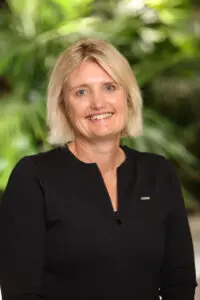
Katie is an influential strategic leader with over ten years’ experience in health. She qualified as a Physiotherapist from the University of Nottingham in 2011 before moving to New Zealand eight years ago. Katie’s clinical background is Musculoskeletal care and she holds post graduate qualifications in Pain and Pain Management from the University of Otago. Katie transitioned into the Primary Care environment in 2021. She has worked diligently throughout her career to build a professional and solution focused reputation in strategic, operational and people management roles across the public and private sector. She prides herself on her ability to lead through values-based behaviour and is focused on achieving the highest level of outcomes. She is passionate about making a positive and long-lasting change to the health of communities.

Melissa Mulholland-Simpson

GM Clinical Services
Tū Ora Compass Health
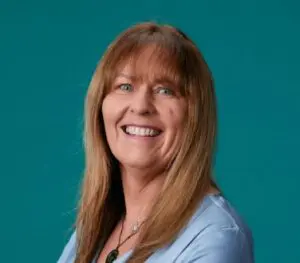
Melissa trained as a Comprehensive Registered Nurse in Wellington. Her career has predominantly been in primary health care, working in General Practice for a number of years. She has Governance experience serving as a Trustee on the Compass Health Board. Working with the University of Otago Melissa was a Chronic Condition Management Professional Practice Fellow for 4th Year students at the Wellington School of Medicine. She has a Post-Graduate Diploma in Primary Health Care endorsed with Long Term Conditions. Melissa joined Tū Ora Compass Health in 2015 as a Change Facilitator. Since joining Tū Ora, Melissa has worked as Health Care Home Programme Lead, Kapiti Community Health Network lead and now General Manager Clinical Services. She is a Lean Practitioner, enjoys working with teams leading change and continuous quality improvement. Melissa is committed to reducing inequities. Her interests are mainly aqua related and include. scuba diving, Dragon Boating and Waka

Louise Schofield

Chief Executive Officer
PREKURE
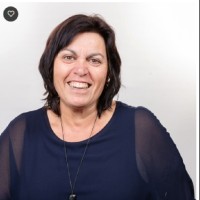
I grew up in Northcote and later Takapuna, Auckland, during the 70s and 80s. My early years were shaped by community, personal loss, and a quiet determination to challenge low expectations. My dad was the pool manager at the Takapuna Municipal Swimming Pool, and my mum was dedicated to volunteering. She taught swimming at my primary school for years before working with people with disabilities, which eventually became her lifelong business, Creative Abilities. She always called disabilities “creative abilities,” and looking back, I see how this shaped my belief that everyone has potential, no matter their circumstances. When my baby brother died of sudden infant death syndrome (SIDS) at just three months old, it had a deep impact on me. At ten years old, I withdrew at school and lost interest in learning. A teacher even told my mum they suspected I had an intellectual disability. Career counsellors doubted I could handle university and suggested I take an easier path. But my mum never questioned what I was capable of. She always believed I could do anything I set my mind to. One of her favourite sayings was, “If it weren’t for the rocks in the stream, the river would have no song.” Years later, I wonder what that career counsellor would think now. Today, I am Dr. Louise Schofield – a health entrepreneur, a mum of three boys, and CEO of PREKURE, a company working to shift healthcare towards prevention and lifestyle change rather than relying solely on medication. A good life is one where you wake up with a sense of purpose. If that’s not where you are right now, maybe it’s time to start making changes.

Dr Siobhan Tu’akoi

Senior Research Fellow and Senior Lecturer - School of Population Health
Waipapa Taumata Rau | University of Auckland
Dr Siobhan Tu’akoi (Holonga, Tongatapu, Tonga/Aotearoa New Zealand) is a Senior Research Fellow and Senior Lecturer in the Pacific Health Department, School of Population Health, University of Auckland. Her current research involves working alongside Pasifika communities, health professionals and researchers to co-design interventions for preventing rheumatic fever and gout. Siobhan completed a PhD at The University of Auckland and has been involved in projects on maternal wellbeing, adolescent metabolic health and COVID-19 vaccination awareness both in NZ and across the Pacific.

Dr Samuela Ofanoa

Senior Research Fellow and Senior Lecturer - School of Population Health
Waipapa Taumata Rau|University of Auckland
Dr Samuela ‘Ofanoa (Felemea, Ha’apai, Vaimalo, Vava’u, Tonga) is a Research Fellow in the Pacific Health Department, School of Population Health, University of Auckland. His research focuses on the prevention, management and lived experience of gout among Pacific peoples through partnerships with communities and health professionals. His work emphasises co-design, health equity and culturally responsive models of care. He completed a Masters of Public Health and a PhD at the University of Auckland and has contributed to research in chronic disease, falls and injury prevention and vaccination uptake.

Michael McCormack

Green Prescription Delivery Lead
Sport Auckland

Frances King

Equity Lead
Health Navigator Charitable Trust

Samir Ranchhod

Chief Digital Officer
Tāmaki Health

Ny Brunenberg

Interim Chief Executive Officer
Collaborative Aotearoa

Based in Wellington, Ny brings a diverse background across quality accreditation, primary care, PHO environments, service design, and digital health. As Interim Chief Executive of Collaborative Aotearoa, she is focused on strengthening connection across the sector, supporting practical innovation, and enabling primary and community care teams to deliver safe, high-quality, and culturally responsive care.

A first-generation Cambodian-Kiwi, Ny’s understanding of resilience, wholeness, and wellbeing has been shaped by her family’s experience of surviving the Khmer Rouge in Cambodia. This deeply informs her commitment to equity, inclusion, and care that recognises the whole person, whānau, and community.

With experience across general practice and PHOs, Ny brings a creative, people-centred approach to supporting model of care implementation, strengthening diversity, and improving quality access to care across Aotearoa.

Sarah Hogan

Deputy Chief Executive (Wellington) & Principal Economist
New Zealand Institute of Economic Research
Sarah has worked in health and social sector policy and research for more than 20 years. Sarah first joined NZIER in 2017 and returned in 2020 after spending time at Capital and Coast District Health Board (CCDHB) as Analytics Team Leader in Strategy, Innovation and Performance. At CCDHB, she built a new multi-disciplinary team of analysts and led the development of frameworks to support a social investment approach to DHB services. Sarah’s previous experience included providing economic advice and supporting the use of cost-benefit analysis at the Ministry of Health, developing systematic reviews, cost-effectiveness analysis reports, and health technology assessments for the Canadian, Australian and New Zealand health sectors; and teaching economics at both the tertiary and secondary levels. She currently enjoys teaching several public policy-related short courses at Victoria University.

Sarah Travaglia

Project Director
Health Navigator Charitable Trust

Kate Dowson

Chief Strategic Growth and Planning Officer
Tāmaki Health
Kate Dowson is the chief strategic growth and planning officer at Tāmaki Health, one of Aotearoa’s largest primary care providers. She leads strategic planning, growth initiatives, and sector partnerships to strengthen access, sustainability, and outcomes across its nationwide network of clinics and services. She brings extensive leadership experience across the health sector, most recently as group manager – system integration for Health New Zealand | Te Whatu Ora, where she oversaw commissioning of primary and community services across the Northern Region. Dowson is passionate about advancing health equity, fostering innovation, and driving data-informed service improvement.

Want to connect with this health sector audience?

Take the unique opportunity to engage with a highly qualified health sector audience. There are some exclusive opportunities to promote your company, products and services.

Contact sponsorship@brightstar.co.nz for more information.

Gold Sponsor

Umbrella Wellbeing

Silver sponsors

Umbrella Wellbeing

Umbrella Wellbeing

Umbrella Wellbeing

Umbrella Wellbeing

Exhibitors

Umbrella Wellbeing

Umbrella Wellbeing

Umbrella Wellbeing

Umbrella Wellbeing

Umbrella Wellbeing

Umbrella Wellbeing

Umbrella Wellbeing

Umbrella Wellbeing

Don't miss out on the connections and credibility boost!

Live B2B events are your chance to shine. Showcase your thought leadership, solidify your market position, and forge valuable connections with potential customers – all at once.

This exclusive event puts you in front of a highly skilled audience hungry for insights. Get ready for meaningful engagement that drives results.

Plus, we have some unique opportunities to put your company, products, and services in the spotlight.

Ready to take your brand to the next level? Contact us today to learn more or secure your spot at this leading event.

CT105

Tickets

Super Early Bird

Single Ticket
$2100
$ 1500 + gst
  • For valid ticket/s, payment by 7 September, 2026.

GP Rate

$ 1500 + gst
  • Rate is for General Practitioners in practices. For valid ticket/s, payment by 23 November, 2026.


Group of 3+

Price Per Person
$ 1500 + gst
  • Must be from the same organisation and book at the same time. For valid tickets, payment by 24 November, 2026.

Early Bird

Single Ticket
$2100
$ 1700 + gst
  • For valid ticket, payment by 9 October, 2026.

Standard Price

Single Ticket
$2100
$ 1900 + gst
  • For valid ticket, payment by 27 October, 2026.

Last Minute

Single Ticket
$ 2100 + gst
  • For valid ticket, payment by 24 November, 2026.
Registration Conditions


Ticket Terms

All prices are in New Zealand dollars ($NZD)
A surcharge of 2.5% + GST applies to credit card payments on top of the total amount.
Super Early Bird Tickets are valid only for the specific event for which they were purchased and cannot be transferred to other events. To remain valid, Super Saver and Early Bird tickets must be paid by date quoted.
Group ticket options are valid for registrations from the same organisation, booked at the same time.
By selecting any special pricing offer for classes of organisation, sector, or individuals or using any promotion code, you are asserting to the organiser your right to claim any such pricing offer, and acknowledge the organiser’s right to audit such claim and, if in the opinion of the organiser using its sole discretion the conditions for special pricing are not met, reject any registration.

For full terms & conditions, please visit https://www.brightstar.co.nz/terms-and-conditions

Make an enquiry

Got questions? Write to us.

General Contact

This field is for validation purposes and should be left unchanged.
This field is hidden when viewing the form